Paul Lafargue Quotes
To force the capitalists to improve their machines of wood and iron it is necessary to raise wages and diminish the working hours of the machines of flesh and blood
The left has always been ambivalent about automation. Many object to it on the grounds that it puts men out of work. However, others such as Lafage, argued that automation was the only economic way to reform the working hours and conditions of labor. The problem at the time was that as long as labor was so cheap, there was no motivation for the manufacturer to invest in better machinery. He and many others argued that minimum wages and their increases increase productivity because it would force manufacturers to invest in more productive equipment to reduce their labor costs.
Paul Lafargue, 1841-1911, Leader, French Workers Party, Son-in-law of Karl Marx, The Right To Be Lazy, 1883
Sourced by: Eigen's Political and Historical Quotations

These work hours, 6 days a week were typical for Russian workers of the time. The Russian workers were ripe for any revolution or reform that promised a better life.


Steel workers were then paid $1.75 for a 9 hour day. This was earthshaking.

Coolidge was extremely pro business. See {598686}.

Labor reform was a burning issue in most of the industrialized countries of the world. The two areas that legislation was under consideration all over were working hours and child labor. There were no overtime provisions, employers were free to require workers to work 7 days for as many hours as they wanted. There were no limitations on the use of child labor. This is one of the classic conservative oppositions to these reforms. Ironically to us today, those against reform argued that it was disrespectful of the working man to take away his freedom to work whatever hours he so chose, and it was disrespectful of the workers role as a head of family to decide for him when and under what conditions his children could work. Germany at the time was a very dramatic example of the struggle as the Chancellor was opposed to all labor reform and Kaiser Wilhelm II felt that reforms were needed. The two most powerful Germans were split on this issue as were people in most countries.

Niles, a Southern editor was none the less anti-slavery. Other than the gross immorality of slavery, he saw that the economics of the institution actually inhibited the economic development of the South very early. Efficiency of machinery and organization of work and labor saving inventions were not as badly needed in a slave economy where human labor was so inexpensive. While in the North and most of Europe, there was skilled, but expensive, labor of freemen. This motivated all to improve processes and technology and increase productivity. There was much less motivation in the South and the slaves who actually understood the work had no way to experiment and were not allowed to read or write so the South was almost economically and technologically stagnant in comparison to the free labor states.


He called attention to the relationship between the poverty living conditions, sanitation, and the outbreak of cholera in the Manchester Cholera epidemic of 1832. He went on to advocate shorter working hours, better sanitation, and education for the mill workers.

He in that same year then persuaded sympathetic MP, John Hobhouse, to introduce the first bill into the House of Commons regulating child labor in the mills. Considered radical in its day, forbade employment of children under the age of 9 from working in the mills, and then limited the hours that children from 9 to 18 to 12 hours a day. The bill was rejected with the same claims that have been made regarding child labor reform attempts ever since. It would slow growth, harm the economy, exacerbate the poverty of poor families and interfere with the parents right to bring up their children. It was not until after his death in 1861 that meaningful child labor laws were passed for the British mills.


At the time, the mine owners and operators claimed that they had NO obligations to their workers—not even to ensure a safe mine. There was no OSHA and workers died and were maimed on the job much more frequently than they do today. Many mine owners now accept that they have obligations to the workers, and the rest are required to have responsible and safe working conditions by law and OSHA regulations.

He had squads of thugs that he would “rent” out to other gangsters for their enforcement activities and to unions to protect themselves from goons and intimidate non union workers. However, he would not let his men work as goons and strike busters or for companies—despite huge pay offers—to keep their workers in line, a common practice at the time.
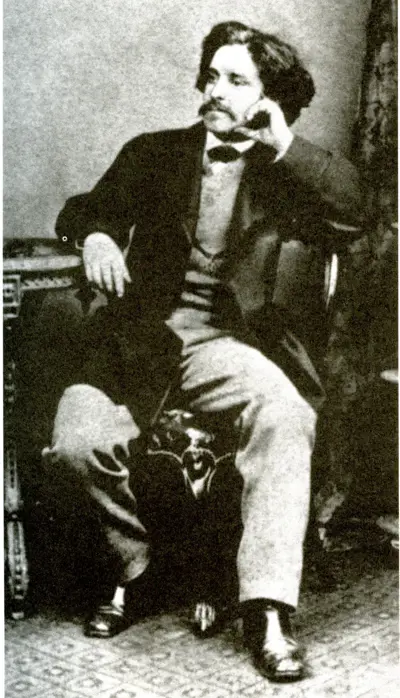
Paul Lafargue was a French revolutionary Marxist socialist, political writer, journalist, literary critic, and activist; he was Karl Marx's son-in-law having married his second daughter, Laura. His best known work is The Right to Be Lazy. Born in Cuba to French and Creole parents, Lafargue spent most of his life in France, with periods in England and Spain. At the age of 69, he and 66-year-old Laura died together by a suicide pact.
