Richard Oastler Quotes
I will use all my influence in trying to remove from our factory system the cruelties which are practiced in our mills.
He in that same year then persuaded sympathetic MP, John Hobhouse, to introduce the first bill into the House of Commons regulating child labor in the mills. Considered radical in its day, forbade employment of children under the age of 9 from working in the mills, and then limited the hours that children from 9 to 18 to 12 hours a day. The bill was rejected with the same claims that have been made regarding child labor reform attempts ever since. It would slow growth, harm the economy, exacerbate the poverty of poor families and interfere with the parents right to bring up their children. It was not until after his death in 1861 that meaningful child labor laws were passed for the British mills.
Richard Oastler, *-1861, English Child Labor Reformer, Pledge to fellow reforming businessman and mill owner, John Wood, 1830
Sourced by: Eigen's Political and Historical Quotations

He called attention to the relationship between the poverty living conditions, sanitation, and the outbreak of cholera in the Manchester Cholera epidemic of 1832. He went on to advocate shorter working hours, better sanitation, and education for the mill workers.

Oastler was a mill owner himself.


Labor leader Samuel Gompers used this statement to publically praise the passage of the Clayton Anti-Trust Act.

Abd al-Rahman Ibn Mohammad. He is generally regarded to be the World’s first social scientist. The largest statue in Tunisia of not of a military leader of king, but of this social scientist.


The left has always been ambivalent about automation. Many object to it on the grounds that it puts men out of work. However, others such as Lafage, argued that automation was the only economic way to reform the working hours and conditions of labor. The problem at the time was that as long as labor was so cheap, there was no motivation for the manufacturer to invest in better machinery. He and many others argued that minimum wages and their increases increase productivity because it would force manufacturers to invest in more productive equipment to reduce their labor costs.

This report and others like it eventually led to French labor reforms, but only many years later.


This practice which was considered immoral, unethical, and harmful to society in 1938 was considered sound business 60 years later with globalization. In 1938 a minority of Americans argued that the practice was desirable; in 1998 a minority thought that the practice was harmful.


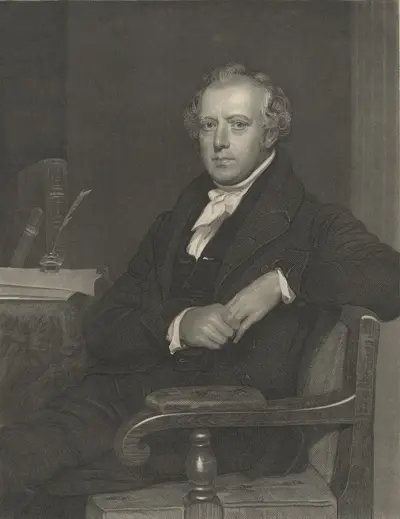
Richard Oastler "the Factory King" was a "Tory radical", an active opponent of Catholic Emancipation and Parliamentary Reform and a lifelong admirer of the Duke of Wellington; but also an abolitionist and prominent in the "anti-Poor Law" resistance to the implementation of the "New Poor Law" of 1834. Most notably, as his sobriquet indicates, he was at the heart of the campaign for a ten-hour working day in its early years: although less so by the time of its successful culmination in the Factories Act 1847, he retained the sobriquet.
