Arnold J. Toynbee Quotes
Historically speaking, Socialism has already shown itself in England in the extension of State interference. It has produced the Factory Laws, and it is now beginning to advance further and interfere directly in the division of produce between the workmen and their employers.
Virtually every advance for the working class in England (and the other countries including America) was labeled “socialism” by the conservative economic factions of the time. However, socialists were strong advocates of all these economic reforms and even in the 19th century their impact was recognized.
Arnold J. Toynbee, 1852–1883, English Economic Historian, Uncle of Arnold J. Toynbee, the English Historian, Lectures on the Industrial Revolution of the 18th Century in England
Sourced by: Eigen's Political and Historical Quotations


The “bread box” was a metal box used in most homes to keep bread fresh before refrigerators were so large and prevalent.


At the time there was very little such legislation or regulation, and the little there was only occurred after massive lobbying efforts by organized labor. In modern times, often it takes a horrible tragedy to occur before the political will can be mobilized to cope with issues of occupational health and safety.


In 1902 there was a major coal and railroad labor crisis. The owners and operators refused to negotiate or bargain with labor: This quotation is very famous because it is an iconic picture of the views and attitudes of the large industiralists at the turn of the 20th Century. More than opposing labor unions, they actually believed that God had selected them to run the economic and business affairs of the country if not the world. It was their Christian values and paternalism that the workers should look to in order to determine the rights and priviliges of the working man or woman. This upper class attitude was one of the major reasons that class warfare broke into the open. Ironically, there was not much difference between the attidudes of the industiral leaders and the notions of fudalism.


The left has always been ambivalent about automation. Many object to it on the grounds that it puts men out of work. However, others such as Lafage, argued that automation was the only economic way to reform the working hours and conditions of labor. The problem at the time was that as long as labor was so cheap, there was no motivation for the manufacturer to invest in better machinery. He and many others argued that minimum wages and their increases increase productivity because it would force manufacturers to invest in more productive equipment to reduce their labor costs.


He called attention to the relationship between the poverty living conditions, sanitation, and the outbreak of cholera in the Manchester Cholera epidemic of 1832. He went on to advocate shorter working hours, better sanitation, and education for the mill workers.

At the time, the mine owners and operators claimed that they had NO obligations to their workers—not even to ensure a safe mine. There was no OSHA and workers died and were maimed on the job much more frequently than they do today. Many mine owners now accept that they have obligations to the workers, and the rest are required to have responsible and safe working conditions by law and OSHA regulations.


He was wrong because he—and many others in the world-- never considered the possibility that the Russian Communists would be so brutal and kill so many people who resisted the Communist takeover of these economic sectors.


When TR was the NYC Police Commissioner, Riis had given him midnight tours of the precincts so Roosevelt could see for himself what the police were and were not doing. When he became Governor, his labor inspectors never reported the terrible sweatshop conditions that the newspapers were writing about. So TR asked Riis to arrange some personal “visits”. The two of them alone would show up at a sweatshop in the middle of the day and the governor would simply introduce himself to the owner, who dared not prohibit the Governor from coming in and then asking questions of workers and managers. Even in modern times that would not happen in a large state. The Governor then realized that the state labor inspectors were not doing their jobs and covering up the problems. Major changes took place.


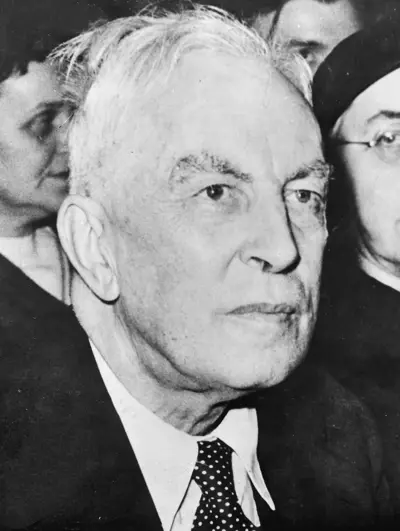
Arnold Joseph Toynbee CH FBA was a British historian, a philosopher of history, an author of numerous books and a research professor of international history at the London School of Economics and King's College London. From 1918 to 1950, Toynbee was considered a leading specialist on international affairs.
