Richard Oastler Quotes
The mill-owners obtained their wealth by overworking and by defrauding the factory children. They were praying people, but took care their work people should neither have time nor strength to pray. These hypocrites pretended it was necessary to keep these poor infant slaves at this excruciating labour just to preserve them from "bad company" and to prevent them learning "bad habits".
Oastler was a mill owner himself.
Richard Oastler, *-1861, English Child Labor Reformer, Letter published by the Bradford Observer, July 17, 1834
Sourced by: Eigen's Political and Historical Quotations


This report and others like it eventually led to French labor reforms, but only many years later.

He in that same year then persuaded sympathetic MP, John Hobhouse, to introduce the first bill into the House of Commons regulating child labor in the mills. Considered radical in its day, forbade employment of children under the age of 9 from working in the mills, and then limited the hours that children from 9 to 18 to 12 hours a day. The bill was rejected with the same claims that have been made regarding child labor reform attempts ever since. It would slow growth, harm the economy, exacerbate the poverty of poor families and interfere with the parents right to bring up their children. It was not until after his death in 1861 that meaningful child labor laws were passed for the British mills.

He called attention to the relationship between the poverty living conditions, sanitation, and the outbreak of cholera in the Manchester Cholera epidemic of 1832. He went on to advocate shorter working hours, better sanitation, and education for the mill workers.


Abd al-Rahman Ibn Mohammad. He is generally regarded to be the World’s first social scientist. The largest statue in Tunisia of not of a military leader of king, but of this social scientist.


There were few if any consumer protection laws in those days and many wealthy aristocrats made their money by taking advantage of the poor. They were the landowners, bankers, financiers and often the industrialists. Shaw was a sarcastic social critic and this is a typical line he gave his upper class characters. Today, we have more controls on business and finance, and many wealthy business people have gotten that way by providing great value to the consumers and being honest. However, we still have large numbers of wealthy members of society who do make their money from the poor and middle class by unethical and often illegal means. In the aftermath of the Meltdown of 2008. hundreds of thousands of the homes of the working poor and middle class were foreclosed by the major banks forging the legal documentation for the foreclusures. Millions of consumer contracts are issued that even a PhD cannot understand the terms of without special legal and financial training. There is even a legal definition of a salesperson lying to make a sale which is so commonplace that our law excuses it and calls it "puffing". However, there has been over time, improvement over Shaw's era.
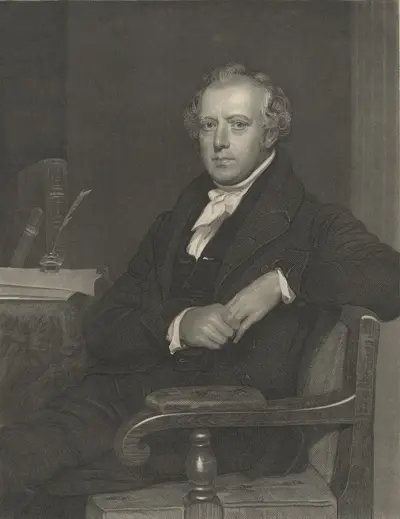
Richard Oastler "the Factory King" was a "Tory radical", an active opponent of Catholic Emancipation and Parliamentary Reform and a lifelong admirer of the Duke of Wellington; but also an abolitionist and prominent in the "anti-Poor Law" resistance to the implementation of the "New Poor Law" of 1834. Most notably, as his sobriquet indicates, he was at the heart of the campaign for a ten-hour working day in its early years: although less so by the time of its successful culmination in the Factories Act 1847, he retained the sobriquet.
