Henry Ward Beecher Quotes
The slave labors, but with no cheer - it is not the road to respectability, it will honor him with no citizens' trust, it brings no bread to his family, no grain to his garner, no leisure in after-days, no books or papers to his children. It opens no school-house door, builds no church, rears for him no factory, lays no keel, fills no bank, earns no acres. With sweat and toil and ignorance he consumes his life, to pour the earnings into channels from which he does no drink, into hands that never honor him. But perpetually rob and often torment.
Beecher, Henry Ward. Freedom and War: Discourses on Topics Suggested by the Times. Ticknor and Fields, 1863, p. 115.


His voyage took him to several slave countries where his anti-slavery views were challenged by locals.


In the Civil War a drafted conscript could pay money instead of serving in the army. Many rich and middle class men did so leaving a higher proportion of the poor to be drafted. The song is sometimes misattributed to William Cullen Bryant.

Many of the Americans captured by the Islamic Barbary pirates in the years leading up to the Barbary War were sold into slavery. Eaton, who was the American consul at Tunis, couldn’t help but notice the tragic parallel between the suffering of those captured by the pirates and slaves in the American South.

Ruffin is more widely known as the man who fired the first shot of the Civil War.

Indian and Black slaves were outlawed very early in Connecticut, not on moral grounds of concern for the Indians and Blacks, but because of the negative effects on the white poor. Why would anyone pay the poor any more than the amortization costs of a slave? Therefore there was no way a poor white could make a living wage if slavery were to coexist.

Abd al-Rahman Ibn Mohammad. He is generally regarded to be the World’s first social scientist. The largest statue in Tunisia of not of a military leader of king, but of this social scientist.
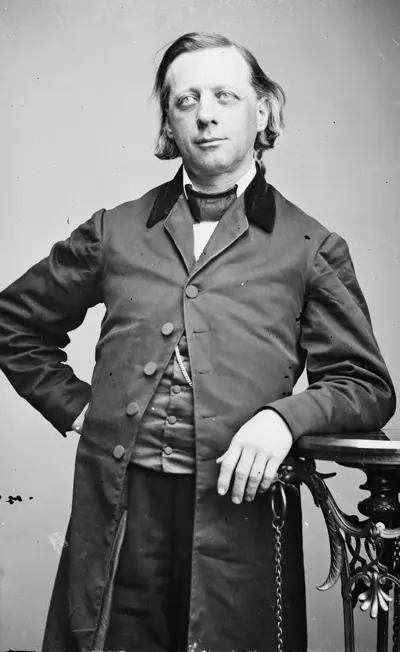
Henry Ward Beecher was an American Congregationalist clergyman, social reformer, and speaker, known for his support of the abolition of slavery, his emphasis on God's love, and his 1875 adultery trial. His rhetorical focus on Christ's love has influenced mainstream Christianity to this day.
