Fanny Kemble Quotes
In the north we could not hope to keep the worst and poorest servant for a single day in the wretched discomfort in which our negro servants are forced habitually to live.
Fanny Kemble, 1809–1893, British actress and author, Journal of a Residence on a Georgian Plantation in 1838-1839, 1863
Sourced by: Eigen's Political and Historical Quotations


This quotation is interesting for two reasons. First it is a good example of the twisted logic of some of the Slavery apologists who claimed that the Negro slave was better off than the free wage earner. The second reason is that it illustrates the norms of the treatment of the working man before the Civil War. The union movement would change the situation for the free laborer over the next century and then holidays and worker rights became normalized in American society. See {641290} for another of his absurd arguments.

The highway was planned to go through a poor neighborhood which had a high percentage of Black residents—all of whom would have to find other housing and move to make room for the highway. If the government plans a highway through a wealthy area, the cost to condemn and pay for the land will be much greater than if a poor neighborhood is acquired. For urban highways, the poor almost always bear a disproportionate share of the inconvenience while the major benefit inures to the wealthy and middle class. Abbot had been a labor organizer and a professional artist before he entered politics. The graphic is of his famous poster which by itself stopped the plans to build the highway very quickly.


Parker and other escaped slaves in Christiana fought off slave catchers and killed the slave owner leading them. Charged with treason, he escaped to Canada with his family and lived there the rest of his life. While not a polished writer, after he himself had escaped and went to Christiana and leaned to read and write. He wrote this narrative of his life as a slave—one of the few written works we have from slaves.

For more about the Bureau. See {629185}.and {629187}.


In the original Constitution the apportionment of members of the House of Representatives was based on the white population plus After his Presidency, Adams served in the House of Representatives for many years and was thus active in politics.


Shortly after WWII, he became the largest builder in the United States. See {634380} for more depth on his view about segregated housing.
The white skilled laborers of the North were not the only ones who found slavery deleterious to their economic well being. The complaints to the Carolina legislature produced a finding as early as 1744 that whites were adversely affected.
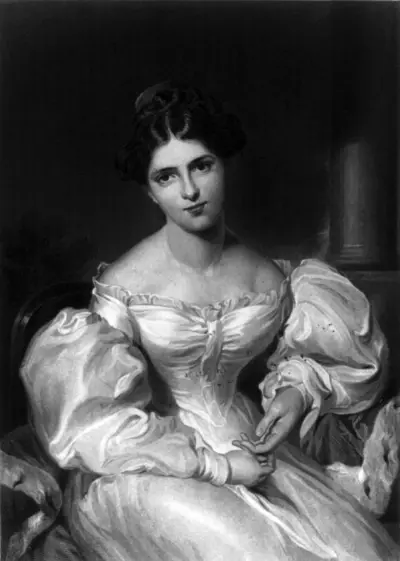
Frances Anne "Fanny" Kemble was a British actress from a theatre family in the early and mid-19th century. She was a well-known and popular writer and abolitionist, whose published works included plays, poetry, eleven volumes of memoirs, travel writing and works about the theatre.
