Fanny Kemble Quotes
I do not admit the comparison between your slaves and even the lowest class of European free laborers, for the former are allowed the exercise of no faculties but those which they enjoy in common with the brutes that perish.
Fanny Kemble, 1809–1893, British actress and author, Journal of a Residence on a Georgian Plantation in 1838-1839, 1863
Sourced by: Eigen's Political and Historical Quotations

This quotation is interesting for two reasons. First it is a good example of the twisted logic of some of the Slavery apologists who claimed that the Negro slave was better off than the free wage earner. The second reason is that it illustrates the norms of the treatment of the working man before the Civil War. The union movement would change the situation for the free laborer over the next century and then holidays and worker rights became normalized in American society. See {641290} for another of his absurd arguments.


Ruffin is more widely known as the man who fired the first shot of the Civil War.


In early New England the General Court served as both a legislature and a judiciary before separation of powers was introduced. 5 years later the Court banned importing African slaves at all. While slavery was not common in Rhode Island, the laws was not seriously enforced on those who would defy them. It does represent a public anti-slavery sentiment that existed in Early America. It would take 200 years for Rhode Island to finally eliminate all forms of slavery.

The white skilled laborers of the North were not the only ones who found slavery deleterious to their economic well being. The complaints to the Carolina legislature produced a finding as early as 1744 that whites were adversely affected.

Miller was the first Black American admitted to a Graduate Program—Johns Hopkins—in Mathematics

The perception of the necessity of slavery was evident very early in the South.
This marvelous quotation gives us a picture of the essence of the conflict in conception of freedom between Southern whites and negroes. There was no way to change the large majority of whites’ opinions and it is easy to see why Jim Crow and Southern discrimination evolved as it did. The emancipated Blacks had insufficient power or resources and there was not enough effort or success at changing white attitudes and no where near enough law enforcement to impose the view on the majority of the Southern white population.

For more about the Bureau. See {629185}.and {629187}.


The President often referred to this statement as an example of his wife’s acumen. She had been born to a Southern plantation and inherited the land and the slaves. Her view, and his, were typical of the Southern point of view in early America.

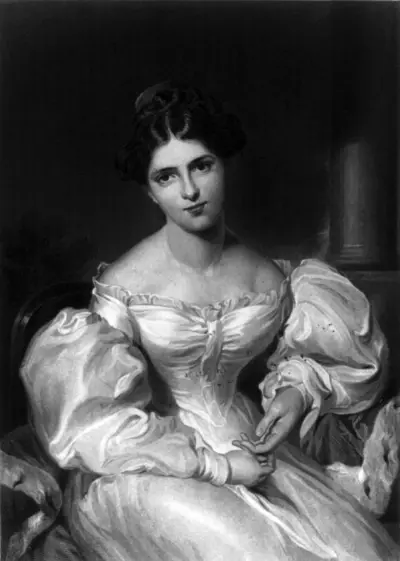
Frances Anne "Fanny" Kemble was a British actress from a theatre family in the early and mid-19th century. She was a well-known and popular writer and abolitionist, whose published works included plays, poetry, eleven volumes of memoirs, travel writing and works about the theatre.
