RICHARD OASTLER
He in that same year then persuaded sympathetic MP, John Hobhouse, to introduce the first bill into the House of Commons regulating child labor in the mills. Considered radical in its day, forbade employment of children under the age of 9 from working in the mills, and then limited the hours that children from 9 to 18 to 12 hours a day. The bill was rejected with the same claims that have been made regarding child labor reform attempts ever since. It would slow growth, harm the economy, exacerbate the poverty of poor families and interfere with the parents right to bring up their children. It was not until after his death in 1861 that meaningful child labor laws were passed for the British mills.
Oastler was a mill owner himself.
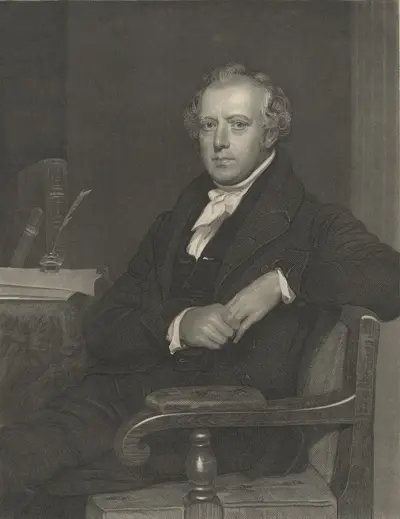
Richard Oastler "the Factory King" was a "Tory radical", an active opponent of Catholic Emancipation and Parliamentary Reform and a lifelong admirer of the Duke of Wellington; but also an abolitionist and prominent in the "anti-Poor Law" resistance to the implementation of the "New Poor Law" of 1834. Most notably, as his sobriquet indicates, he was at the heart of the campaign for a ten-hour working day in its early years: although less so by the time of its successful culmination in the Factories Act 1847, he retained the sobriquet.
