Paul Lafargue Quotes
And the children? Twelve hours of work for children! 0, misery. But not all the Jules Simon of the Academy of Moral and Political Science, not all the Germanys of Jesuitism, could have invented a vice more degrading to the intelligence of the children, more corrupting of their instincts, more destructive of their organism than work in the vitiated atmosphere of the capitalist factory
Paul Lafargue, 1841-1911, Leader, French Workers Party, Son-in-law of Karl Marx, The Right To Be Lazy, 1883
Sourced by: Eigen's Political and Historical Quotations

Oastler was a mill owner himself.

This report and others like it eventually led to French labor reforms, but only many years later.


Sinclair had written an expose of the meat packing industry – the Jungle – which used as its setting the Armour meat packing factory. It changed the way the public thought about the industry, the role of government and regulation. President Roosevelt took up the reform role, and got Congress to Regulate the quality and cleanliness of the meat packing industry. Sinclair, however not only wanted that reform, but also wanted the labor wages and conditions reformed. He referred to the Armour plant as the fortress.


3rd Earl Russell of Kingston

He called attention to the relationship between the poverty living conditions, sanitation, and the outbreak of cholera in the Manchester Cholera epidemic of 1832. He went on to advocate shorter working hours, better sanitation, and education for the mill workers.

Debs had unconstitutionally been arrested and jailed for opposing American entry into World War I. He was later pardoned by President Warren G. Harding.

Fitzhugh was a Southern iconoclast whose view of Northern labor was much like that of Karl Marx but who was an enthusiastic supporter of slavery.


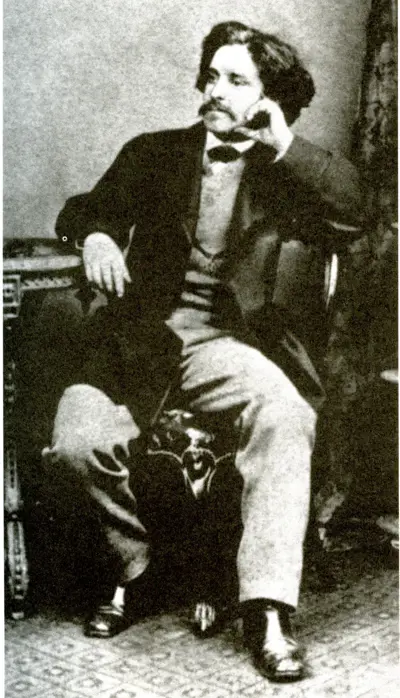
Paul Lafargue was a French revolutionary Marxist socialist, political writer, journalist, literary critic, and activist; he was Karl Marx's son-in-law having married his second daughter, Laura. His best known work is The Right to Be Lazy. Born in Cuba to French and Creole parents, Lafargue spent most of his life in France, with periods in England and Spain. At the age of 69, he and 66-year-old Laura died together by a suicide pact.
