E. Belfort Bax Quotes
There are some who incline to favor a “minimum wage,” but who “kick at” a “maximum price.” Such surely forget that the capitalist could here just as easily as in the case of a rise in wages compelled by a workmen’s combination, or by any other cause, take his old profits out at the other end by raising the price of the manufactured article.
E. Belfort Bax, 1854–1925, English Attorney, Journalist & Philosopher, “After the Eight Hours Bill,” Justice, April 30, 1892
Sourced by: Eigen's Political and Historical Quotations


At the time this was generally true for most businesses. However, in a modern economy, there are other ways. Increasing volume, automation, innovating products and services to get premium prices naw are standard techniques.


The left has always been ambivalent about automation. Many object to it on the grounds that it puts men out of work. However, others such as Lafage, argued that automation was the only economic way to reform the working hours and conditions of labor. The problem at the time was that as long as labor was so cheap, there was no motivation for the manufacturer to invest in better machinery. He and many others argued that minimum wages and their increases increase productivity because it would force manufacturers to invest in more productive equipment to reduce their labor costs.


Whenever price controls have been tried, there always seems to develop a black market. However, some argue that price controls can work very well for a modest period of time in a national emergency and give WWII as an example. Although there was a black market, very few Americans participated in it, and the effect was positive as a result of the patriotism that was so keenly felt by most Americans at that time. Further, capital punishment has rarely worked to prevent any illegal activity. In London, pickpockets were publicly hung while other pickpockets fleeced the crowd watching the hanging ostensibly to dissuade people from pickpocketing.


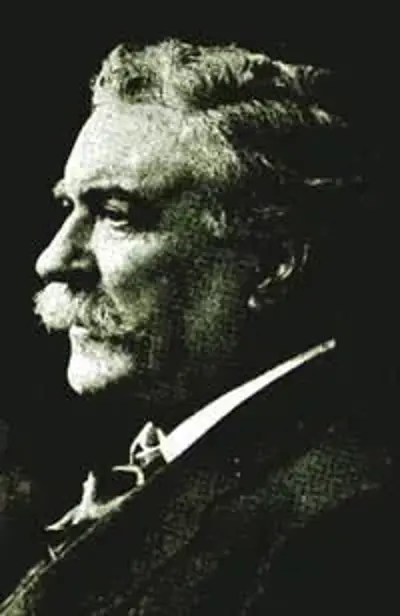
Ernest Belfort Bax was an English barrister, journalist, philosopher, men's rights advocate, socialist, and historian.
