James Laughlin Quotes
A rise of prices necessarily results in a diminution of the enjoyments of the laboring class until they can force the employers, through a long process of agitation, to make an increase in their wages.
James Laughlin 1850-1933, Economist & One of the Founders of the Federal Reserve System, 1895
Sourced by: Eigen's Political and Historical Quotations

Ten cents a day was a very low wage—it was about the equivalent of a meal at a tavern at the time. Workers throughout the country were outraged and give him a derogatory nickname—see Quotation 643585.

In 1902 there was a major coal and railroad labor crisis. The owners and operators refused to negotiate or bargain with labor: This quotation is very famous because it is an iconic picture of the views and attitudes of the large industiralists at the turn of the 20th Century. More than opposing labor unions, they actually believed that God had selected them to run the economic and business affairs of the country if not the world. It was their Christian values and paternalism that the workers should look to in order to determine the rights and priviliges of the working man or woman. This upper class attitude was one of the major reasons that class warfare broke into the open. Ironically, there was not much difference between the attidudes of the industiral leaders and the notions of fudalism.


This was a description of the famous Lawrence, MA, textile mill strike.

Under the economic stewardship of the George W. Bush administration, the rate of inflation was modest. However, while the wages of the highest executives had increase markedly, the wages of average workers actually had decreased for much of the administration.

At the time, industrialists could not even conceive of the notion of negotiating over wages must less collective bargaining.


He had squads of thugs that he would “rent” out to other gangsters for their enforcement activities and to unions to protect themselves from goons and intimidate non union workers. However, he would not let his men work as goons and strike busters or for companies—despite huge pay offers—to keep their workers in line, a common practice at the time.


The “strike” was that of the Cloak Workers in New York. The workers were generally Russian Jewish Immigrants who were paid the lowest wages then of any ethnic group. See {625087}


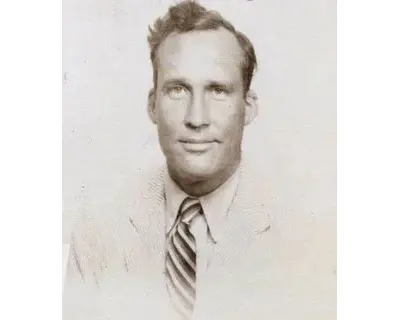
James Laughlin was an American poet and literary book publisher who founded New Directions Publishing.
