John Boyd Orr Quotes
When the Industrial Revolution of the nineteenth century brought a rapid increase in wealth, the demand of workers for a fair share of the wealth they were creating was conceded only after riots and strikes.
Orr, John Boyd. "Science and Peace." Les Prix Nobel en 1949, Nobel Foundation, 1950.


He had squads of thugs that he would “rent” out to other gangsters for their enforcement activities and to unions to protect themselves from goons and intimidate non union workers. However, he would not let his men work as goons and strike busters or for companies—despite huge pay offers—to keep their workers in line, a common practice at the time.


In 1902 there was a major coal and railroad labor crisis. The owners and operators refused to negotiate or bargain with labor: This quotation is very famous because it is an iconic picture of the views and attitudes of the large industiralists at the turn of the 20th Century. More than opposing labor unions, they actually believed that God had selected them to run the economic and business affairs of the country if not the world. It was their Christian values and paternalism that the workers should look to in order to determine the rights and priviliges of the working man or woman. This upper class attitude was one of the major reasons that class warfare broke into the open. Ironically, there was not much difference between the attidudes of the industiral leaders and the notions of fudalism.

25,000 mill workers went on strike in one of the largest strikes in America at the time.


The coal miners’ strike had been going for 5 months. The major issue was the right to union recognition. The mine owners refused to do that and decided to take the strike. President Theodore Roosevelt mediated a settlement where the miners won more money but no union recognition. The great appeal and significance of this speech is that it stressed the young children who started working in the mines at ages 8 or 9 by working on the “breakers” where they broke up large chunks of coal into smaller chunks. The children never saw daylight and never had a chance for education much less a childhood. At the time, and well into the 20th century the Republican Party was adamantly opposed to any legislation regulating child labor and when two decades later public opinion finally forced Congress to pass Child Labor legislation, the Supreme Court declared it unconstitutional and it took a Constitutional Amendment. See {32240}, {642469}, and {36885}.


Ironically, this view was also held by many of the capitalist “Captains of American Industry” who believed that all unions were revolutionist regardless of the views of the union’s membership or leadership. Even today, there are some who still equate trade unionism with communism and revolution. The majority of the unions and the left never believed that, but the extreme communists and extreme capitalists did than and some do today.

Jefferson was one of the first political and economic thinkers to express concern over the “wage slave” concept of the industrial revolution. This was one of the major reasons that he was not in consonance with Alexander Hamilton in his economic vision for America. While we followed the Hamilton direction, there are still issues of maintaining freedom and independence for an employee in modern nations and economies.


She was writing about the textile mills of Manchester, England in the Industrial Revolution. Workers’ wages were so low that many of them could not feed themselves and their family decently


He was wrong because he—and many others in the world-- never considered the possibility that the Russian Communists would be so brutal and kill so many people who resisted the Communist takeover of these economic sectors.


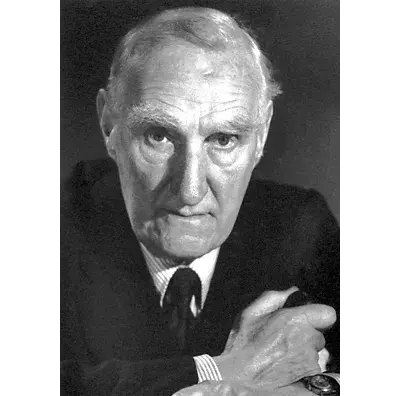
John Boyd Orr, 1st Baron Boyd-Orr, CH, DSO, MC, FRS, FRSE, styled Sir John Boyd Orr from 1935 to 1949, was a Scottish teacher, medical doctor, biologist, nutritional physiologist, politician, businessman and farmer who was awarded the Nobel Peace Prize for his scientific research into nutrition and his work as the first Director-General of the United Nations Food and Agriculture Organization (FAO).
