Daniel De Leon Quotes
The Catholic Church... upheld feudalism, then monarchism, warning of growing evils and possible revolutions. In the same manner, and under the same reservations, she now upholds capitalism; but, above all things and forever, she upholds the Catholic Church.
De Leon, Daniel. The Vatican in Politics. New York Labor News Company, 1915, p. 12.


The Roman Catholic Church then maintained that salvation was dependent upon obedience to the Pope in all things civil and religious. See {595166} for the way that the Church at the time allowed some authority to civil authorities.

While this was his opinion, it was never issued in a Papal Bull or had the force of Catholic law. Meanwhile, almost all of the socialist movements in the West have had Catholics in their leadership and many democrats of modern times would have been considered socialist. Many countries with high proportions of Catholic voters have elected socialist governments in secluding Spain and Italy.

This notice of Excommunication was promulgated to the Catholic clergy in Ireland in May of 1538. It required all Roman Catholic leaders to size the property of Protestants or Catholics who sympathized with them. Those who did were then regarded as traitors by the Protestant King. The anti-Protestant feeling culminated with the massacre of about 100 Protestants who were drowned in Bann a few years later.


The Roman Catholic Church in America had a very difficult problem with slavery. Catholics were themselves a minoirty, hated and distrusted by many Protestants. In most of the country, the distrusr was based on their large immigrant population, but in the South Catholic theology was hated and the Vatican and Pope were particular targets. The Catholic Clergy generally did not want to take sides in the most contentious issue in America since its inception. The Southern Catholic Clergy did not have that option as in the South, anyone who was not a supporter of slavery was an "enemy of the community and subject to all kinds of violence." Some Southern priests were willing to take the personal risk but did not want to put their followers at risk. In a strange consequence, Catholics--especially Irish Catholics--fought on both sides of the Civil War and often against each other. While it was not an exemplary moral behavior for the Church, there were difficult pressures on Catholic leaders. Further, most of the lowest and most difficult, undesirable jobs were filled by Catholics and most Catholic laymen so and end to slavery as the start of pitting the Catholics against the Blacks. So there was not a groundswell for abolition in most Catholic parishes even in the North.

In addition to being a Roman Catholic priest, Father Coughlin was an outspoken radio commentator who was well known for his controversial political opinions, see {598783}, {598784}.


First Irish Bishop in the United States and the First Catholic Cardinal of New York. Major anti-draft riots had broken out in New York City. Many of these were led by poor Catholics who resented the fact that they had to fight and perhaps die while the rich could be exempted by paying $300. Many Negroes and others were murdered, homes of the wealthy were sacked, and the militia had to be called out to restore order.


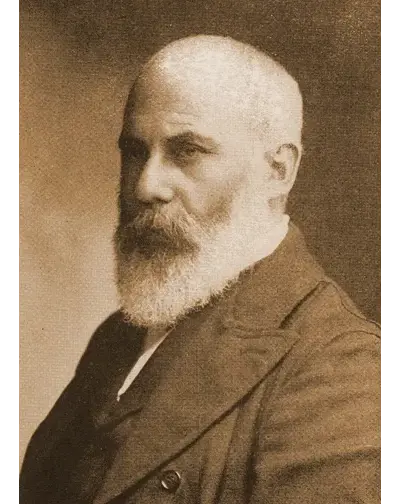
Daniel De Leon (/də ˈliːɒn/; December 14, 1852 – May 11, 1914), alternatively spelt Daniel de León, was a Curaçaoan-American socialist newspaper editor, politician, Marxist theoretician, and trade union organizer. He is regarded as the forefather of the idea of revolutionary industrial unionism and was the leading figure in the Socialist Labor Party of America from 1890 until the time of his death.[2] De Leon was a co-founder of the Industrial Workers of the World and much of his ideas and philosophy contributed to the creations of Socialist Labor parties across the world, including: Australia, the United Kingdom, Canada, and the Socialist Trade and Labor Alliance.
