Gerrit Smith Quotes
The Southern slave would obey God in respect to marriage, and also to the reading and studying of His word. But this, as we have seen, is forbidden him.
Smith, Gerrit. Letter of Gerrit Smith, to Rev. James Smylie, of the State of Mississippi. R. G. Williams, 1837.


Abd al-Rahman Ibn Mohammad. He is generally regarded to be the World’s first social scientist. The largest statue in Tunisia of not of a military leader of king, but of this social scientist.


Ruffin is more widely known as the man who fired the first shot of the Civil War.


Baron Brougham and Vaux


Contrast this view with that of Union General Ulysses S. Grant.


Indian and Black slaves were outlawed very early in Connecticut, not on moral grounds of concern for the Indians and Blacks, but because of the negative effects on the white poor. Why would anyone pay the poor any more than the amortization costs of a slave? Therefore there was no way a poor white could make a living wage if slavery were to coexist.


This law required the treatment of Blacks as whites were then treated with respect to indentured servitude—a limit of 10 years after which the person would be free. However, this law was poorly enforced. The “General Court” was the name for the legislature of the Rhode Island colony.

There is much valuable in old ideas. However every terrible idea in history is today an old idea and we certainly don’t want to respect ideas because they were old and revered or believed by our forefathers.

In 1831 a slave preacher, Nat Turner, led a rebellion in North Carolina killing over 50 white men. Even though Turner and the rebels were captured and executed, whites throughout the South, took vengeance on any slaves they could find.

Brown was the richest man in Rhode Island and made much of his money in the slave trade. This quotation shows that slavery was not completely a North verses South split. Northerners like Brown for whose family Brown University was named, was as virulent supporter of slavery as the most ardent Southerner.

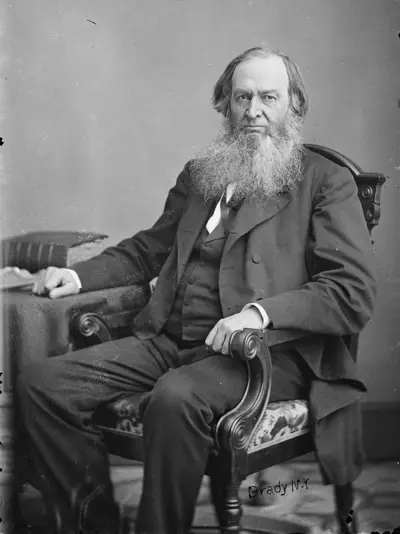
Gerrit Smith, also spelled Gerritt, was a leading American social reformer, abolitionist, politician, and philanthropist. Spouse to Ann Carroll Fitzhugh, Smith was a candidate for President of the United States in 1848, 1856, and 1860, but only served 18 months in the federal government—in Congress as a Free Soil Party Representative, in 1853–4.
