Lysander Spooner Quotes
The laws recognize no obligation on the part of the slave to labor for or serve his master. If he refuse to labor, the law will not interfere to compel him. The master must do his own flogging, as in the case of an ox or a horse.
Spooner, Lysander. The Unconstitutionality of Slavery. Bela Marsh, 1845, p. 34.


The Southern propaganda regarding slavery of the Day was that the Negro prefers his state of slavery to which he is naturally inclined—that the responsibility and uncertainty of freedom are not suited to the Negro temperament. As we look back upon that time, it is hard for us to believe that any sane person would for a moment believe such nonsense, but the reality is that not only did Southerners convince themselves of this, but there were many in the North who accepted the argument.

Ruffin is more widely known as the man who fired the first shot of the Civil War.

Brown was the richest man in Rhode Island and made much of his money in the slave trade. This quotation shows that slavery was not completely a North verses South split. Northerners like Brown for whose family Brown University was named, was as virulent supporter of slavery as the most ardent Southerner.


Baron Brougham and Vaux


Negotiations regarding the exchange of prisoners and property. This was his view of his supposed obligation to return Negro slaves who had escaped and gone to the British during the war. The treaty of peace specified that all “property” including slaves, taken by, the British be returned to the Americans. But he and other officers did not always do so as they thought they had higher moral obligations. See {621936} for example.

The white skilled laborers of the North were not the only ones who found slavery deleterious to their economic well being. The complaints to the Carolina legislature produced a finding as early as 1744 that whites were adversely affected.
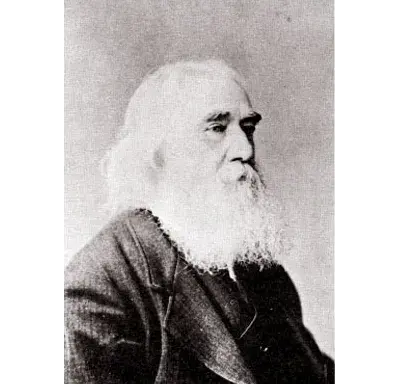
Lysander Spooner was an American individualist anarchist. He was also an abolitionist, entrepreneur, essayist, legal theorist, pamphletist, political philosopher, Unitarian, writer and a member of the First International.
