Mary Astell Quotes
Why is Slavery so much condemn'd and strove against in one Case, and so highly applauded and held so necessary and so sacred in another?
Astell, Mary. Some Reflections Upon Marriage. 3rd ed., R. Wilkin, 1706, Preface.


Brown was the richest man in Rhode Island and made much of his money in the slave trade. This quotation shows that slavery was not completely a North verses South split. Northerners like Brown for whose family Brown University was named, was as virulent supporter of slavery as the most ardent Southerner.


The issue of slavery which had been suppressed in Congress for the first decades of the nation broke out when Missouri statehood was considered. By previous agreement, slavery was not even discussed in Congress but the time period elapsed. Tallmadge not only proposed that no more slaves could come into Missouri {613176} but most shocking to the Southerners was that every person born in the new state would be free at the age of 25. In a generation, there would be no more slavery in Missouri and there would be no economic compensation for slave owners at all. The House of Representatives accepted the amendment, but it failed in the Senate. At that time, Senators were not elected by voters but were appointed by the state legislators and the Southern slave states had a disproportionate share of the senate from a population point of view. But what this quotation shows clearly that a majority of the country in 1819 were opposed to slavery and were willing to end it without compensation.

Ruffin is more widely known as the man who fired the first shot of the Civil War.

The Republican Party condemned polygamy and slavery in its party platform of 1856

This is a memorable historical quotations because it shows the extreme level of hypocrisy and lack of logic of which man is capable of when his way of life and world view is threatened. In this case Gordon sees the right to own slaves as a basic civil right. He does not see that the right of possessing slaves totally denies virtually all civil rights to the slave. In his and other Southern views, to assure a man’s liberty he had to have the right and freedom to deny freedom to others, torture others at will, destroy families and remove all hope and aspiration of some people.
He was making a generalization based on his historical study of nations and societies.


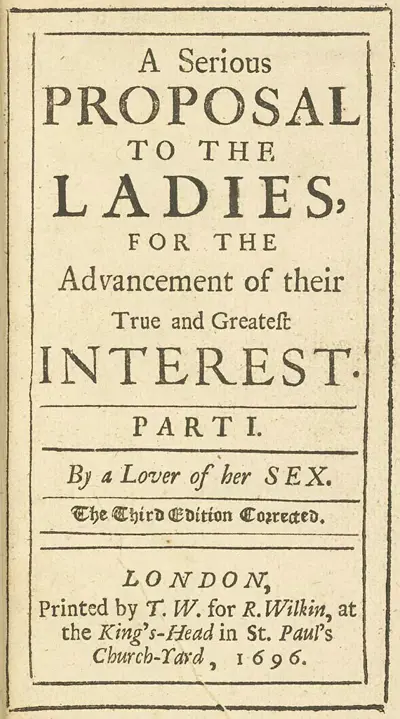
Mary Astell was an English protofeminist writer, philosopher, and rhetorician. Her advocacy of equal educational opportunities for women has earned her the title "the first English feminist."
