Robert E. Lee Quotes
In this enlightened age, there are few I believe, but what will acknowledge, that slavery as an institution is a moral & political evil in any country. It is useless to expatiate on its disadvantages.
Freeman, Douglas Southall. R. E. Lee: A Biography. Vol. 1, Charles Scribner's Sons, 1934, p. 372.


The Republican Party condemned polygamy and slavery in its party platform of 1856

Brown was the richest man in Rhode Island and made much of his money in the slave trade. This quotation shows that slavery was not completely a North verses South split. Northerners like Brown for whose family Brown University was named, was as virulent supporter of slavery as the most ardent Southerner.


The editorial was in response to the pro-slavery speeches in the Senate of John C. Calhoun.


Ruffin is more widely known as the man who fired the first shot of the Civil War.

As an entertainer she had toured much of the world and seen American slavery and that of some other nations. She became a staunch abolitionist and like entertainers in the 20th and 21st centuries she used her celebrity to give anti-slavery lectures and perform for audiences where she donated the proceeds of the event to the abolition cause. She is a particularly interesting political figure in that she seems to be one of the first entertainers to perform for a social cause and become an activist.

This moral statement from a New jersey Quaker abolitionist is not particularly noteworthy, However what makes this quote important is that Woolman traveled throughout the South preaching this as his main theme. At that time — before the American Revolution — he did so and was not attacked or intimidated; he was mostly ignored by the Southern authorities. At the time, the South was very confident of its ability to continue slavery. Years later, when the abolition movement grew larger and stronger, a Northern Quaker Preacher doing this not not escape with his life.


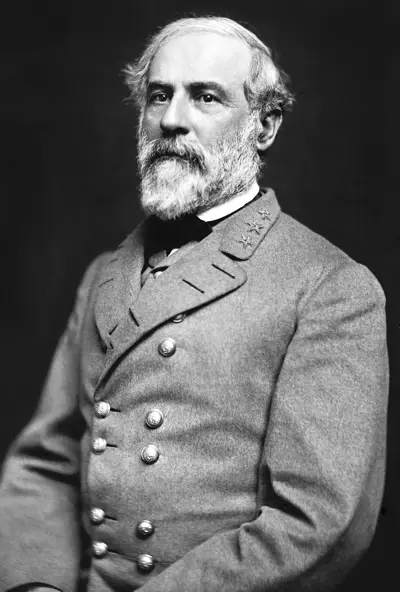
Robert Edward Lee was an American Confederate general best known as a commander of the Confederate States Army during the American Civil War. He led the Army of Northern Virginia from 1862 until its surrender in 1865 and earned a reputation as a skilled tactician.
