John Adams Quotes
It was the general opinion of ancient nations, that the divinity alone was adequate to the important office of giving laws to men…. It will never be pretended that any persons employed in that service [creating the U. S. Constitution] had any interviews with the gods, or were in any degree under the inspiration of heaven, any more than those at work upon ships or houses, or labouring in merchandize or agriculture: it will for ever be acknowledged that these governments were contrived merely by the use of reason and the senses.
This quotation is one that is quoted very often in discussions of whether the Founding Fathers were divinely inspired.
John Adams Preface, Defense of the Constitutions of Government of the United States of America 1787
Sourced by: Eigen's Political and Historical Quotations


This proposal and others like it over the years have never even gotten out of Committee.


On the Fugitive Slave Act: As one of the leading American Catholic intellectuals during the 19th Century, Brownson’s opinions went far in keeping Catholics from joining the side of the abolitionists. However, just a few years later his tone would change and he would become one of the few Catholic writers to refuse to defend slavery, see {610710}. While the majority of Catholics refused to join the abolition movement, they often did so because abolitionism was closely tied to anti-Catholicism, see Gordon {611392} or Shaftesbury {611106}. Other reasons included Irish immigrants fearful of competition from Black labor and the fear of liberal individualism and social disorder, which was prevalent in 19th century Catholic thought. For a further explanation on the relationship between American Catholics and slavery, see McGreevy {612036}.

Anti-slavery opponents had cited the equality argument of the Declaration of Independence to buttress their argument.


In 1872 a proposed Constitutional amendment was debated throughout much of the country. The proposed “Christian Amendment” to the Constitution, recognized the Bible, God, and made Christianity the state religion requiring religious tests of public officials including belonging to an organized Christian Church. “Deists” as used then referred to people who had a general belief in a Supreme Being but did not belong to any formal or organized church.


The words were inserted in the Preamble to the Constitution.

Dix finally broke with the Democrats over the slavery question and became a Republican.


By morally subjugating the existing laws, the scriptures, public opinion to the law of nature, Spinoza distressed many of the clerics and civil authorities of the day. Spinoiza's views were so threatenting to the established religious authorities that he was the only man in history to have been excommunicated by the Jews, the Catholics and the Muslims.


This may just have been a note to himself of a draft that he decided not to send. As with today, the people who would feel aggrieved by not being allowed to have Congressional Chaplains are much more passionate about the issue than the those who see Chaplains as unconstitutional. Thus Chaplains remain.
The law passed reserved some Federal land for a Baptist church. Madison actually slightly misquoted the Constitution.
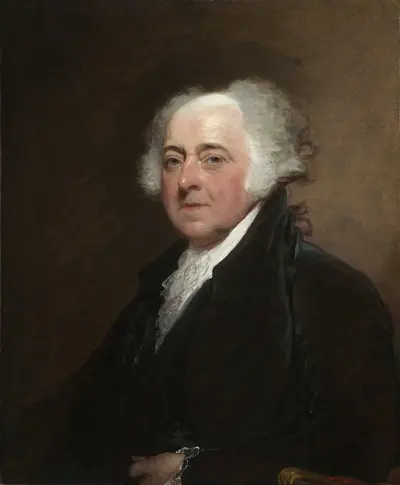
John Adams Jr. was an American statesman, attorney, diplomat, writer, and Founding Father who served as the second president of the United States from 1797 to 1801. Before his presidency, he was a leader of the American Revolution that achieved independence from Great Britain, and he served as the first vice president of the United States. Adams was a dedicated diarist and regularly corresponded with many important figures in early American history, including his wife and adviser Abigail Adams and Thomas Jefferson.
