Nathaniel Macon Quotes
The Declaration of Independence is no part of the Constitution or of any other book.
Anti-slavery opponents had cited the equality argument of the Declaration of Independence to buttress their argument.
Nathaniel Macon, 1757-1837, U. S. Congressman & Senator (NC), Senate Debate, January 26, 1820
Sourced by: Eigen's Political and Historical Quotations

Welliver was the first of the American presidential speechwriters. President Harding was the one who used the term in public.


This hypocrisy and insincerity was seen for what it was by the Radical Republicans, Abolitionists and the newly freed slaves themselves. See {617728} and {617339}. However, this approach soon was adopted as the “party line” by intellectual Southerners of the time, and has continued to this day. The rebellion that caused the deaths of more Americans than all the rest of our wars, was not as they stated it caused by any conflict over slavery, no economic causes, no differences in labor philosophies and trade, no contention over control of new territories, but was simply an attempt to vigorously support and defend the Constitution. However, one advantage to using this story as an explanation of the bloody rebellion, was that the defeated Southerners could see their acts as somewhat nobly motivated.


From this quotation, {615902} and {615901} it is clear that the framers of the Constitution intended the treaty making powers to be shared by the President and the Senate. In practice, in modern times treaties are usually initially negotiated by diplomats under the supervision of the President and the Senate gets to concur or not in the ratification process. However, there have been a number of treaty failures including the League of Nations where the lack of coordination has resulted in a situation where the Senate had to accept or reject something which the President had negotiated and the Senate rejected the treaty.

The day that most changed the course of history was


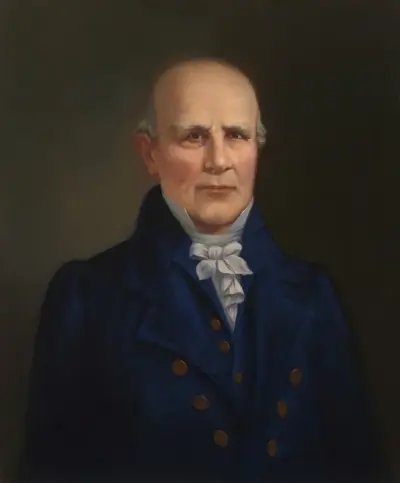
Nathaniel Macon was an American politician who represented North Carolina in both houses of Congress. He was the fifth Speaker of the House, serving from 1801 to 1807. He was a member of the United States House of Representatives from 1791 to 1815 and a member of the United States Senate from 1815 to 1828. He opposed ratification of the United States Constitution and the Federalist economic policies of Alexander Hamilton. Thomas Jefferson dubbed him "Ultimas Romanorum"—“the last of the Romans”.
