Stephen J. Field Quotes
if the exclusive privileges conferred upon the Louisiana corporation can be sustained, it is not perceived why exclusive privileges for the construction and keeping of ovens, machines, grindstones, wine-presses, and for all the numerous trades and pursuits for the prosecution of which buildings are required, may not be equally bestowed upon other corporations or private individuals, and for periods of indefinite duration.
to grant a state monopoly for maintaining slaughterhouses
Stephen J. Field, 1816-1899, U. S. Supreme Court Justice, Dissent, Slaughter-House Cases, 1873
Sourced by: Eigen's Political and Historical Quotations


If there would be free competition in banking as opposed to monopolies in each area, This is the first major history of banks written in the United States. At the time, there was hardly any competition amongst banks. Each bank had a do facto or official monopoly in its area. In many communities of America, this is still true, but competition in banking has reached almost all high density areas of the country.


See {642189} where Sherman explained some of the reasons for the law.

Brandeis was U. S. Supreme Court Justice Louis D. Brandeis, 1856-1941, who wrote that competition would control prices if only healthy competition could be maintained—the problem was resolved by both increasing competition and much more stringent regulation of corporations.


In 1911 the Supreme Court upheld the monopoly conviction of Standard Oil Company but held that the Sherman Antitrust Act only applied to “unreasonable” monopolies and not to monopolies in general.


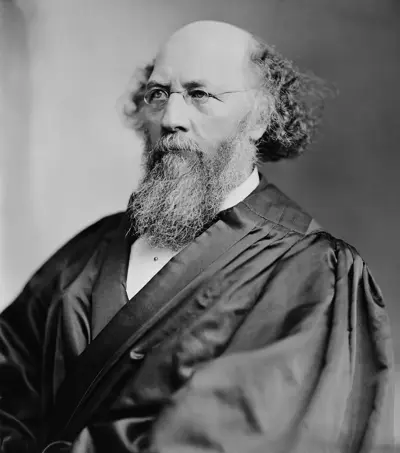
Stephen Johnson Field was an American jurist. He was an Associate Justice of the United States Supreme Court from May 20, 1863, to December 1, 1897, the second longest tenure of any justice. Prior to this appointment, he was the fifth Chief Justice of California.
