Richard E. Parker Quotes
What matters it to us at present whether Monarchy is reprobated by the Almighty or not, It will be time enough to consider what kind of Government is best suited for America when we have determined ourselves independent; indeed every man who wishes to be free will be forming Opinions relative to the form of Government
During the early days of the American independence movement, many were preoccupied with the philosophical and theological issues of whether the Almighty approved of monarchy or not. Parker urged concentration on assuring independence first.
Richard E. Parker, 1729–1813, Colonial Jurist & Essayist, Letter to Richard Henry Lee, April 27, 1776
Sourced by: Eigen's Political and Historical Quotations

Although opposed to monarchy himself, Langdon argued that a people had a right to select monarchical government if they chose. See {634001} for Rev. Dan Foster’s similar argument at in that period.

This was the first contact between the colonists and the French government. The French agent was very non committal and the parties were just feeling each other out. Franklin made it perfectly clear that the colonists would not trade the English King for a French one and become part of the French empire.

Liberia was founded by freed American slaves.


Huey P. Long credited this quotation for the origin of his famous slogan, "Every Man a King, but No Man Wears a Crown”. See {609936}


In Philadelphia, the state delegates had just started to vote for independence. The majority of each state delegation determined the vote for the state. Delaware had three delagates, but only two were in Philadelphia. Rodney, the third delegate from Delaware, had been attending a meeting in Dover when he received word that the other two Delaware delagates Thomas McKean and George Read were split—McKean for and Read against independence. Rodney immediately left for Philadelphia late on July 1. He rode all night in a thunderstorm to traverse the 80 miles to Philadelphia. He arrived in his spurs and riding boots and cast his famous vote and thus Delaware voted for Independence. After the vote, the next 2 days were spent drafting the Declaration of Independence and Rodney signed it on July 4. After Rodney returned to Delaware, he was ousted in the next election by conservative loyalists who felt that Rodney had betrayed them and England.

Garfield reminded Americans of how radical and unusual the concept of democracy had been at the time of the adoption of The Constitution, and that the American Revolution was one of ideas as well as armies.


While he thought a people had a right to have a king, he also made radical statements regarding the British and their monarchy. See {633999}. The right of a people to have a king was also stated by the President of Harvard in that period— {633996}.


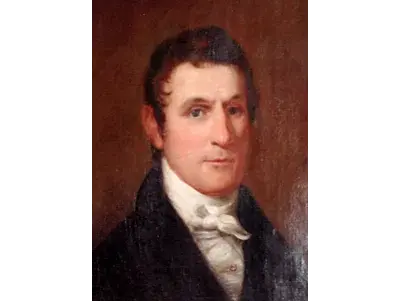
Richard Elliott Parker was a lawyer, soldier, judge and politician in Virginia. Parker served in the Virginia House of Delegates and the United States Senate, before later serving on the Virginia Supreme Court of Appeals.
