Thomas Babington Macaulay Quotes
Thus our [British] democracy was from an early period the most aristocratic, and our aristocracy the most democratic.
1st Baron Macaulay
Thomas Babington Macaulay, 1800-1859, British Historian & Secretary of War (Liberal), Member of Parliament, History of England, I, 1848
Sourced by: Eigen's Political and Historical Quotations


When Tocqueville studied the United States, it was inferior to the England and the other European aristocracies in science, the arts, literature, philosophy, theology and most other intellectual fields of culture and human endeavor. He did not have the opportunity to observe the interactive, long term effects of freedom, democracy, and public education. The US would become the dominant cultural nation of the world, with the English language in far greater usage than at the height of the British Empire. American Science, literature, art developed with more and more people participating in and being educated for those areas and were free to create without the restraints of government or even cultural norms. American creativity was demonstrated by more new religions being created that than in any other nation on earth.


1st Earl of Beaconsfield


1st Earl Lloyd-George of Dwyfor


1st Viscount Bolingbroke. See {627799} for the origin of the bias against merchants and money men. It also represents a rigidity of class structure that characterized England until very recently. The landed gentry were the first class citizens. Usually titles went with the land. In America, someone who would be successful as a merchant or a banker could achieve the highest of social status and political influence. This was not true in England where a merchant that was far more wealthy than a landed lord was not accepted by the aristocracy.


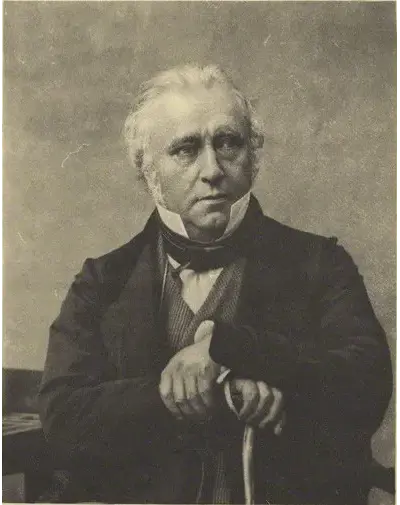
Thomas Babington Macaulay, 1st Baron Macaulay, FRS FRSE PC was a British historian and Whig politician. He wrote extensively as an essayist, on contemporary and historical sociopolitical subjects, and as a reviewer. His The History of England was a seminal and paradigmatic example of Whig historiography, and its literary style has remained an object of praise since its publication, including subsequent to the widespread condemnation of its historical contentions which became popular in the 20th century.
