Archibald Cary Coolidge Quotes
The most loyal acceptance by a defeated nation of an unfavorable treaty of peace need not preclude cherishing the hope that circumstances will lead to changes some day.
Archibald Cary Coolidge, 1866–1928, Historian, Political Scientist & Diplomat, Editor-in-chief of Foreign Affairs, “Dissatisfied Germany”, Foreign Affairs, October 1925
Sourced by: Eigen's Political and Historical Quotations

and later wife. Stevenson is describing the German foreign minister’s behavior at Versailles and Lloyd George’s angry reaction.

He was exactly right. Two decades later Germany had started WWII.


There were some anti-war forces in Germany in World War I.

In the history of diplomacy and peace treaty negotiations, the various national representative would meet in secret, negotiate treaties and add secret clauses. Then the treaty was finally made public for approbal or ratification in the different countries no one would be told of the secret clauses. Each side would have a written secret copy of these clauses, but the publics of the country would never know. For example, the agreements about various WWII issues that were secret have not yet been made public in the United States or England. Wilson wanted to put an end to that diplomatic ploy and wanted all the peace treaty clauses to be public with nothing secret. He also wanted the deliberations to made in public woth press access. He had little support for the idea in most European nations.

There were critics of the Treaty of Versailles in Britain as well as the United States.


This was 6 years after the German defeat in WWI. That Dream helped propel Hitler to power and the German aggression of WWII.

The “proofs” were diplomatic assurances—treaties—that England would guarantee the territorial integrity of Belgium. The British made strong diplomatic efforts to persuade Germany not to occupy Belgium. The German’s none the less send armies in under the excuse that if they did not, the French would occupy the country and have a strategic advantage over them. Diplomacy could do no more good. England had to send troops or renege on its obligations. So England was in WWI.

For over 50 years both the United States and Cuba had carried grudges about the Bay of Pigs, the boycott on purcuase of life saving medicine and U. S. attempts to assassiate Fidel Castro on the Cuban site, and the expropriation of Americans' Coban Prepoert, the poor record on human rights, the Mariel Boat Lift, and the harboring of American criminals for the United States. The policy positions held by the two nations had not produced anything constructive so the parties agreed to try and build closer ties. In just two years of a limited reproachment some progress had been made and Prices point about getting beyond the past tried to get all focussed on the future.


He was shocked at the public reaction when he received more hate mail than at any other act of his career.


The Germans pretended to maintain the treaty and when the French totally evacuated the Rhineland, Hitler started his preparation for WWII and a little later invaded France. Clemenceau had been snookered.

He was a realist who wanted to sue for peace before Germany was destroyed.

There were a number of world leaders who were not happy about the German Reunification. See Henry Kissinger {610355} for another.
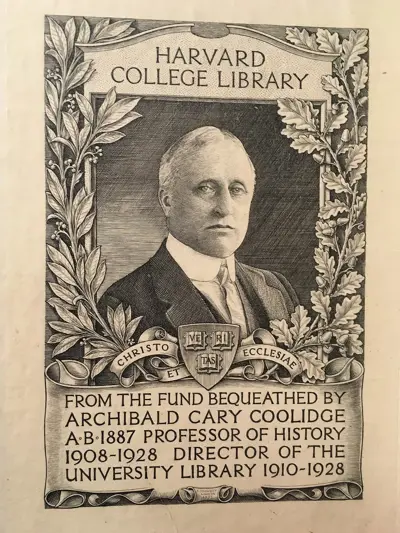
Archibald Cary Coolidge was an American educator and diplomat. He was a Professor of History at Harvard College from 1908 and the first Director of the Harvard University Library from 1910 until his death. Coolidge was also a scholar in international affairs, a planner of the Widener Library, a member of the United States Foreign Service, and editor-in-chief of the policy journal Foreign Affairs.
