Noah Webster Quotes
The ecclesiastical establishments of Europe which serve to support tyrannical governments are not the Christian religion but abuses and corruptions of it.
Webster, Noah. History of the United States. Durrie & Peck, 1832, p. 332.


Although James’ mother, Mary Queen of Scots had been a Catholic, James was a fervent Protestant. However, he found the separation of the State from authority over the church and the Presbyterian approach not to his liking. Also, the early tradition of the Presbyterian preachers scolding the monarch, especially his mother, was uncomfortable for James.
_0_thumbnail_47x47.jpg "Statue of Robert Hall in Leicester.")
Many of the founding fathers were aware of such views in England as the same issues were being debated in America in the debates on Ratification of the Constitution and the required inclusion of the Bill or Rights—specifically the First Amendment.

Of all the Western Colonial Powers, Spain was the worst. They took the most from their possessions and contributed the least. Worst, they killed off almost all the indigenous people.


The relationship between Irish Catholics and the organized priesthood has at times been contentious. Forced tithing to support clergy in a lifestyle that was greater than average, together with some corrupt priests and monks produced hostility from even many Catholics.


This notice of Excommunication was promulgated to the Catholic clergy in Ireland in May of 1538. It required all Roman Catholic leaders to size the property of Protestants or Catholics who sympathized with them. Those who did were then regarded as traitors by the Protestant King. The anti-Protestant feeling culminated with the massacre of about 100 Protestants who were drowned in Bann a few years later.

Basil the Great


This concept is not terribly different from the concept of the theocracy of the Islamic government of Iran in the 21st century. There is a civil government but it serves and is “under the direction of the spiritual power.”


The King, a religious fanatic, was a great supporter of the Inquisition whose excesses were even more horrible during his reign than others.

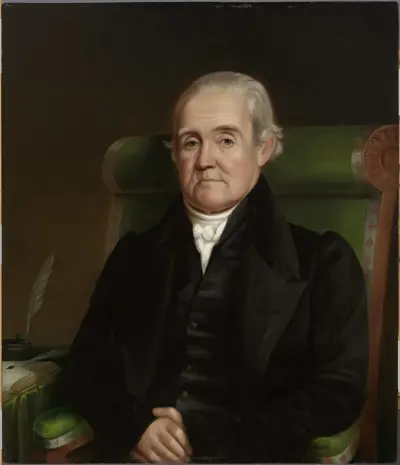
Noah Webster Jr. was an American lexicographer, textbook pioneer, English-language spelling reformer, political writer, editor, and author. He has been called the "Father of American Scholarship and Education". His "Blue-backed Speller" books taught five generations of American children how to spell and read. Webster's name has become synonymous with "dictionary" in the United States, especially the modern Merriam-Webster dictionary that was first published in 1828 as An American Dictionary of the English Language.
