Ronald Kessler Quotes
The colonists' first protest against the British unfolded on Aug. 14, 1765 at the Liberty Tree. A magnificent elm towering over the other trees nearby, the Liberty Tree stood at the corner of what is now Washington and Essex Streets in downtown Boston.
Kessler, Ronald. "The Liberty Tree: The Symbol of American Independence." Newsmax, Newsmax Media.


The French were carefully watching the events in the American Colonies.

The crackdown on Boston which was intended to set an example and intimidate all of the other colonies backfired, and the British were told about it by their own officials in America. But they were so rigid and ideological about monarchy, that the stimulated rebellion rather than suppress them.

While the official battles of the American Revolution did not begin until 1776, parts of the American colonies were in a de facto state of rebellion and the British could not enforce their laws. See {636925} for another of the King’s statements.


The British had closed Boston Harbor until the English merchants who lost their goods at the Boston Tea Party were paid for their damages. A convention was called to discuss a response to the closing of Boston Harbor and New York City convened a public meeting to come up with instructions for their delegates to the conference. One amazing thing was that they advocated a boycott of English goods. What was amazing was that there was no nation and New York and Massachusetts were separate entities and sectionalism was rife, yet New Yorkers were willing to sacrifice to help Bostonians. The New York sacrifice was all the greater because most of the imports from England landed at New York harbor where there was work created for New Yorkers and business for New York companies. New York stood to lose the most with a boycott. Philadelphia which also advocated a boycott, lost little as they were not a harbor for imports. New Yorkers also provided assistance to their competitors, the Bostonians who were out of work. See {589413}.

He was acting as French Foreign Secretary at the time.

In South Carolina, the Patriots, in reaction to the Tea Tax, did not destroy the tea, but stopped it from being landed and sold. Finally Lt. Governor Bull had the tea moved into the Customs house in Charleston. The patriots were satisfied that it was under lock and key and could not be sold or distributed and the tea tax was thus not collected. The British Secretary of State for America, however did not regard the compromise favorably.
This quotation is very important because it illustrates in the first of our great national political debates, the same views held by extreme, right wing anti-government, and Tea Party adherents regarding government in general and taxation in particular. See {634235} and {634234} for more of his arguments at the Ratification Convention.
We are so used to hearing the freedom seeking reasons for the American Revolution that we overlook the more selfish and venal motives. This quotation shows that the large merchants of the colonies had banded together in an illegal conspiracy trust and monopoly and managed to keep many British competitive products out of the colonies. The British, for equally venal reasons, began to enforce the laws in favor of free trade. Many large American merchants were getting huge profits (and American consumers paying more) from their protectionist illegal monopoly. A Revolution would de facto assure that monopoly for many years to come, so they became supporters—patriots—of the American Revolution. As the Revolution drew closer, the Americans made efforts to protect the protectionism and monopoly of some of the richest Americans. See {636861}.


As a result was in 1799 he was indicted, convicted, and fined $480 and sentenced to 18 months in jail. In 1801, newly elected President Thomas Jefferson pardoned Brown along with all violators of the act.

His advice was not taken. The result was as Franklin predicted.
At the beginning of the dispute between America and England, the issue was the raising of internal American taxes by Parliament without any American representation in Parliament. The issue escalated and when the British began using force, independence then became the American objective.

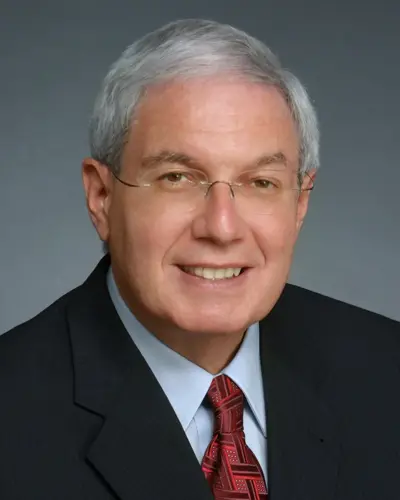
Ronald Borek Kessler is an American journalist and author of 21 non-fiction books about the White House, U.S. Secret Service, FBI, and CIA.
