John C. Calhoun Quotes
Property is in its nature timid and seeks protection, and nothing is more gratifying to government than to become a protector.
Calhoun, John C. "Speech on the Revenue Collection [Force] Bill." 15-16 Feb. 1833. The Works of John C. Calhoun, edited by Richard K. Crallé, vol. 2, D. Appleton and Company, 1853, p. 248.


To the pro-slavery politician, abolition was an abdication of government to fulfill it’s 3 major responsibilities. Slaves were private property and government had to safeguard the owner’s right to own that property. Slave owners had always been free in America to hold slaves, and abolition impinged on that freedom. And the slavery advocates knew better than the abolitionists how cruelly the slaves had been treated. They reasoned—that if anyone had treated them that way, they would if they could take revenge and kill the slave owners. Therefore, abolition threatened the lives of Southern citizens. Of course, Brown and his fellow slave-owners did not consider the fact that they had interfered with the right of the slave to own property, they denied him freedom, and in many cases killed slaves as examples or out of neglect. Their “logic” was that slaves were not citizens and therefor were not entitled to these protection.


Manava Dharma Shastra. 500 years before Christ, the Hindus took more official care of females’ property than we and most European cultures did until relatively modern times. In Anciend India, women could inherit and own property, but because of their relative inexperience and no education, they were taken advantage of by relative who were “managing affairs” for them. This text is a part of the Hindu Holy Texts. Hindus believe that Manu was a prophet whose text is revealed or inspired.


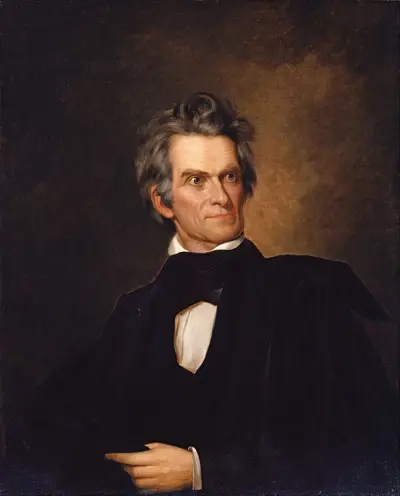
John Caldwell Calhoun was an American politician and political theorist from South Carolina who held many important positions including being the seventh vice president of the United States from 1825 to 1832, while adamantly defending slavery and protecting the interests of the white South when its residents were outnumbered by Northerners. He began his political career as a nationalist, modernizer, and proponent of a strong national government and protective tariffs. In the late 1820s, his views changed radically, and he became a leading proponent of states' rights, limited government, nullification, and opposition to high tariffs. He saw Northern acceptance of those policies as a condition of the South remaining in the Union. His beliefs and warnings heavily influenced the South's secession from the Union in 1860–1861.
