ALBERT G. BROWN
(Albert Gallatin Brown)
The slavery issue was the dominant issue in pre-Civil War America. It even drove foreign policy.
To the pro-slavery politician, abolition was an abdication of government to fulfill it’s 3 major responsibilities. Slaves were private property and government had to safeguard the owner’s right to own that property. Slave owners had always been free in America to hold slaves, and abolition impinged on that freedom. And the slavery advocates knew better than the abolitionists how cruelly the slaves had been treated. They reasoned—that if anyone had treated them that way, they would if they could take revenge and kill the slave owners. Therefore, abolition threatened the lives of Southern citizens. Of course, Brown and his fellow slave-owners did not consider the fact that they had interfered with the right of the slave to own property, they denied him freedom, and in many cases killed slaves as examples or out of neglect. Their “logic” was that slaves were not citizens and therefor were not entitled to these protection.
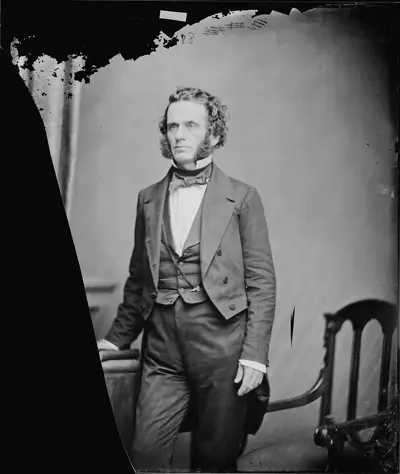
Albert Gallatin Brown was Governor of Mississippi from 1844 to 1848 and a Democratic United States Senator from Mississippi from 1854 to 1861, when he withdrew during secession.
