Stephen Ambrose Quotes
Johnson had been the most powerful man in the world, yet the North Vietnamese and the Vietcong had resisted, overcome his power, broken his will.
Ambrose, Stephen E. To America: Personal Reflections of an Historian. Simon & Schuster, 2002.


The occasion was the visit to Washington of French Minister M. Jean Letourneau. The French were fighting the communists in Vietnam and the U. S., not yet in the fight, promised material and political aid, but no military participation. It was almost a decade later that America sent its first military personnel to Vietnam. The West was persuaded that the French could handle the situation. When they were defeated, America and Britain assumed that it was the notorious military incompetence of the French that accounted for the situation rather than the competence and commitment of the Vietnamese Communists and their support of the majority of the people.


Nasser was indeed planning an attack. Israeli intelligence had discovered it, and the Israeli’s informed President Lyndon Johnson who in turn called Kosygin. Nasser and the Arabs had miscalculated again and ended up being not only defeated in the war they wanted but totally embarrassed by the incredibly poor performance of the Arab armies who greatly outnumbered the Israelis but had no stomach for a fight.


Podharetz was citing the Vietnam war. The two American occasions where the plausibility seemed to fade were the Vietnam War and The Irag war. Both Presidents Lyndon Baines Johnson and George W. Bush as Bismarck predicted, had much political trouble over the wars.

Boggs was working on some compromise positions that could be taken by the party at the 1968 Democratic National Convention to provide the anti war wing of the party with something. The President found out and met with Congressman Boggs.


with Russia over the independence of Berlin and West Germany

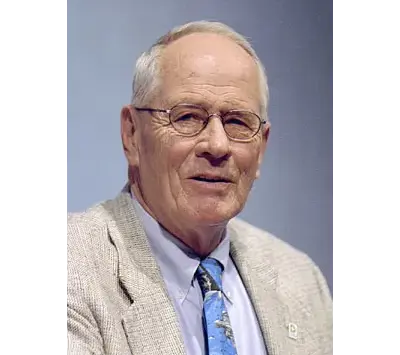
Stephen Edward Ambrose was an American historian and biographer of U.S. Presidents Dwight D. Eisenhower and Richard Nixon. He was a longtime professor of history at the University of New Orleans and the author of many bestselling volumes of American popular history.
