Dean Acheson Quotes
We in the United States are aware of the vital importance of the struggle in Indochina to the cause of the free world
The occasion was the visit to Washington of French Minister M. Jean Letourneau. The French were fighting the communists in Vietnam and the U. S., not yet in the fight, promised material and political aid, but no military participation. It was almost a decade later that America sent its first military personnel to Vietnam. The West was persuaded that the French could handle the situation. When they were defeated, America and Britain assumed that it was the notorious military incompetence of the French that accounted for the situation rather than the competence and commitment of the Vietnamese Communists and their support of the majority of the people.
Dean Acheson, 1893-1971, U.S. Secretary of State (Democrat), State Department Press Release, June 18, 1952
Sourced by: Eigen's Political and Historical Quotations


This editorial marked what most people agreed was the end of the Cold War.

Ford was then a member of Congress. This was known as the “Domino Theory” and was the strategic reason that sending troops to Vietnam was in America’s vital Interest. However, the Domino Theory was incorrect. Vietnam did fall to the Communists, and yet NONE of the countries became communist. Actually, they became even more democratic.

Ironically, at the time she wrote this column, Mrs. Roosevelt was being accused of being a communist by some Southerners who associated her strong views against racism and segregation. Some in the North thought she was a communist because of her active role in the New Deal, Yet here she was, willing to use military force to prevent Soviet expansion.


Boggs was working on some compromise positions that could be taken by the party at the 1968 Democratic National Convention to provide the anti war wing of the party with something. The President found out and met with Congressman Boggs.
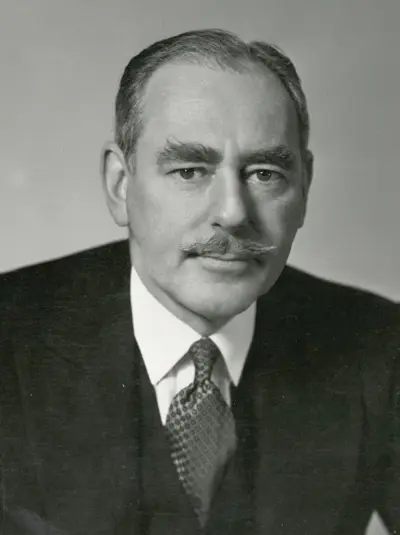
Dean Gooderham Acheson was an American statesman and lawyer. As United States Secretary of State in the administration of President Harry S. Truman from 1949 to 1953, he played a central role in defining American foreign policy during the Cold War. Acheson helped design the Marshall Plan and was a key player in the development of the Truman Doctrine and creation of the North Atlantic Treaty Organization.
