James Fenimore Cooper Quotes
It was the tribes of the Lenni Lenape!... It was but yesterday that the children of the Lenape were masters of the world.
The Lenape Tribe (Delaware Tribe) were the strongest Indian nation in America until they were supplanted by the Iroquois and then dominated by the Colonial whites who took much of their land. See {592309}.
James Fenimore Cooper, 1789-1851, Writer, 1826
Sourced by: Eigen's Political and Historical Quotations


Carson was one of the few Indian Agents who spent every penny of his budget on the Indians as opposed to himself. He was married to an Indian woman and was close enough to many Indians that he understood their resentment whenever they came into a town. They were treated terribly and while most of them were literally starving, seeing the white opulence produced resentment.

He was a brutal officer who by modern standards committed various war crimes.


In the only presidential Special Message to Congress on the subject of Indians in American history:

Note that there was still a serious attempt to coexist with the Indians and to pay for lands that whites moved into. This would change radically in the administration of Andrew Jackson who would replace Adams.

The Indians did not have the wheel when the whites came, but soon there were wagons, stage coaches and railroads.

The intentions of the Founding Fathers towards the Indians was decent, respectful, and well intentioned. However, there was not enough of a system of enforcement or the will to enforce when the greed of the average whites grew too great. Many settlers saw these vast lands and could not see any harm in using a few acres for their farm. And if there had been only a few, there would have been little trouble. However, the settlers kept coming and coming and soon the Indians began to push back. In a sense, it was a class problem. The members of the Continental Congress who wrote the Northwest Ordinance were educated, affluent men who had plenty of land. Most of the men who contested for the Indian lands had little land or were newly affluent and saw few limits to America.


This comprehensive report of 457 pages was written, printed and distributed at her expense prior to her Federal appointment.


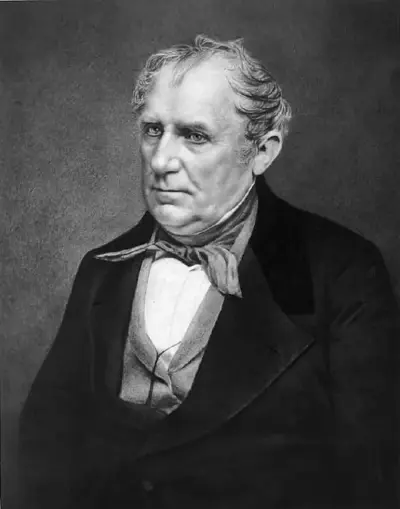
James Fenimore Cooper was an American writer of the first half of the 19th century. His historical romances depicting frontier and Native American life from the 17th to the 19th centuries created a unique form of American literature. He lived much of his boyhood and the last fifteen years of life in Cooperstown, New York, which was founded by his father William Cooper on property that he owned. Cooper became a member of the Episcopal Church shortly before his death and contributed generously to it. He attended Yale University for three years, where he was a member of the Linonian Society.
