Sherman Alexie Quotes
We’re [Native Americans] portrayed as either the noble savage or the ignoble savage. In most people’s minds, we only exist in the 19th century.
Sherman Alexie, Writer & Coer d’Alene Indian, Quoted in George, June 1998
Sourced by: Eigen's Political and Historical Quotations

This quotation is often used as the greatest evidence the white usurpation of Indian land and the dubious value of all the treaties that had been made with the Indians guaranteeing them specific lands. Jackson, however, was not completely accurate. The Iroquois who fought on the American side in the Revolution were still on their lands in New York State. However, the Iriquois had their dealings with the State and local governments, and fared better than those tribes that depended in the Federal Government—especially with racists like Jackson in the Presidency.


To many, this quotation is shocking. TR was a presidential pioneer in race relations being the first President to ever invite a Black to dine at the White House. See {588996} for his views on Blacks. Although modern and liberal with respect to most minorities, TR had a major blind spot regarding Native Americans and was among the worst racists.

Published 100 years after it was written. This is the first known written statement of what became a de facto policy regarding the American Indian.


Justification for policy of settling all Indians west of the Mississippi River.


Samuel Langhorne Clemens, 1835-1910. Twain was one of the few whites who realized that success in assimilating American Indians would destroy their culture and identity. Even today, whites and Indians alike constantly debate the desirability of assimilation policies and supporting independent reservations.

The Lenape Tribe (Delaware Tribe) were the strongest Indian nation in America until they were supplanted by the Iroquois and then dominated by the Colonial whites who took much of their land. See {592309}.

Carson was one of the few Indian Agents who spent every penny of his budget on the Indians as opposed to himself. He was married to an Indian woman and was close enough to many Indians that he understood their resentment whenever they came into a town. They were treated terribly and while most of them were literally starving, seeing the white opulence produced resentment.

He was a brutal officer who by modern standards committed various war crimes.

Gold had been discovered in the Black Hills lands that were sacred to the Lakota Sioux and were reserved for exclusive use of the Indians by the Fort Laramie Treaty. Greedy whites, ignoring the treaty provisions not only entered the Black Hills to pan and mine for the gold, but killed many Indians they ran across Sherman was angry and wrote to his old friend President Grant. Grant, now a political, had to contend with public opinion that thought it absurd that gold should not be mined because a few Indians regarded the land as sacred. Meanwhile Grant was working with a few others to portray minor clashes between whites and Indians in the Black Hills as violent and dangerous Indians breaking the treaty.
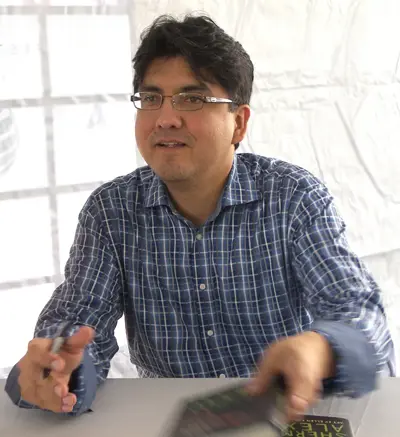
Sherman Joseph Alexie Jr. is a Spokane-Coeur d'Alene-Native American novelist, short story writer, poet, and filmmaker. His writings draw on his experiences as an Indigenous American with ancestry from several tribes. He grew up on the Spokane Indian Reservation and now lives in Seattle, Washington.
