Thomas De Quincey Quotes
It is most absurdly said, in popular language, of any man, that he is disguised in liquor; for, on the contrary, most men are disguised by sobriety.
De Quincey, Thomas. Confessions of an English Opium-Eater. Taylor and Hessey, 1822.

This is one of the earliest observations of the fact that after drinking alcohol, a person is apt to speak without his usual inhibitions and judgment. This has been the downfall of many politicians and is the largest problem of maintaining secrecy and confidentiality.


Ale has too often been praised by poets
The longer you drink the less sense your mind makes of things
Modern research has shown that the earliest deleterious effect of alcohol is impaired judgment and perception. It is fascinating that in this important set of advice from the chief God Odin, this was the problem that was focussed upon.

In some societies, drunkenness is an extenuating circumstance which diminishes moral and legal guilt. In others it is not. In the United States is sometimes is and sometimes is not. Generally, a drunk person will not be relieved of all guilt but often the charge will be lessened—for example from murder to manslaughter. Aristotle suggested, and in some Islamic countries it is observed that the person who commits a crime while drunk is punished twice—once for the crime and once for being drunk.
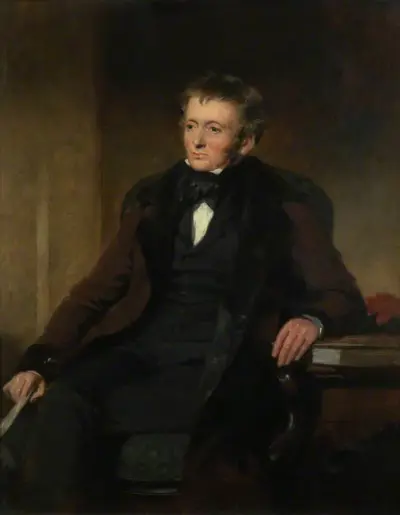
Thomas Penson De Quincey was an English essayist, best known for his Confessions of an English Opium-Eater (1821). Many scholars suggest that in publishing this work De Quincey inaugurated the tradition of addiction literature in the West.
