Anne Robert Jacques Turgot Quotes
God, when He made man with wants, and rendered labour an indispensable resource, made the right of work the property of every individual in the world, and this property is the first, the most sacred, and the most imprescriptible of all kinds of property. We regard it as one of the first duties of our justice, and as one of the acts most of all worthy of our benevolence, to free our subjects from every infraction of that inalienable right of humanity.
Anne Robert Jacques Turgot, 1727-1781, French Finance Minister, Statesman & Economist, Quoted in Arnold J. Toynbee, Lectures on the Industrial Revolution of the 18th Century in England
Sourced by: Eigen's Political and Historical Quotations

It was the common practice in France to allow citizens to work in various occupations only if they received Royal permission. Some obtained monopolies in certain trades for certain areas. This is an excellent case of a reform which completely reversed previous policies. The authority doing the reform takes credit for it ignoring that the abuses and evils that it corrected were operated and maintained by them also. This quotation was also used in arguing the Slaughterhouse Cases before the Supreme Court in 1873.


He had been a Congressman before assuming the Presidency. Civil rights was a major subject of debate after the Civil War. One major issue was that of citizenship itself. Many contended that Americans were citizens of a state and dependant on the state for the protection of civil rights. However, the extent to which the Federal government could and should be the guarantor of citizenship issues was in dispute. Today with the issue settled in favor of Federal preeminence, it is hard to realize that this was very unsettled at one point in history. Garfield was one of those leading the effort for more Federal involvement and control.
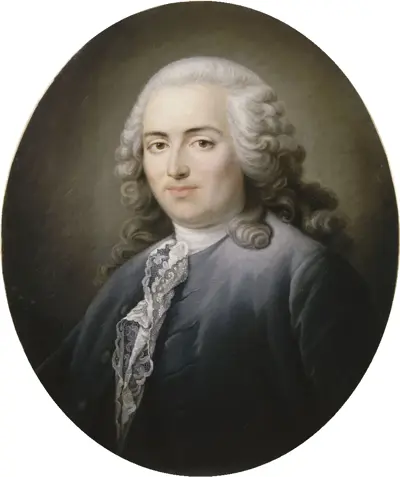
Anne Robert Jacques Turgot, Baron de l'Aulne, commonly known as Turgot, was a French economist and statesman. Originally considered a physiocrat, he is today best remembered as an early advocate for economic liberalism. He is thought to be the first economist to have recognized the law of diminishing marginal returns in agriculture.
