Margaret Thatcher Quotes
There can be no liberty unless there is economic liberty.
Thatcher, Margaret. "Speech to Conservative Party Conference." 10 Oct. 1975, Margaret Thatcher Foundation, www.margaretthatcher.org/document/102777.


Many anti-socialists criticize the political philosophy of socialism on the grounds that it denies citizens personal freedom. Yet most socialists claim that a central doctrine is to give citizens more freedom. The difference is in the type of freedom that they each emphasize. Most socialists observe that the major limits to the freedom of the vast majority of the people in the world are put there by the lack of economic resources. So increasing freedom to them is to decrease the de facto limits that are placed on people by the economic system. The person working for a large corporation that is a monopoly or the only employer in the area, and has a family and no saved money to move to another area, has no freedom to live where he would like. So the socialists emphasize getting the person more money and diminishing the power and the options of the employers to de facto restrict the corporations and businesses. The capitalists look at socialism and see a system that would diminish the freedom of the corporations and those people who own and manage them and argue that if they are successful enough the workers will fare better and be able to gather and save the resources that they might need to move, change careers and have more de facto freedoms." Viscount Prestwood


Ingersoll was considered to be the greatest orator and political thinker of his day, but his overt atheistic views curtailed his elected political career.
Internal population movement was tightly controlled in China for fear that the huge body of rural peasants would swamp the cities seeking economic opportunity. In 2000 the Chinese were debating the wisdom of this policy.


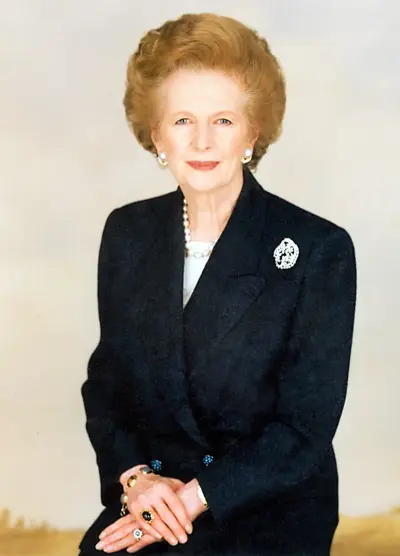
Margaret Hilda Thatcher, Baroness Thatcher, LG, OM, DStJ, PC, FRS, HonFRSC was a British stateswoman who served as Prime Minister of the United Kingdom from 1979 to 1990 and Leader of the Conservative Party from 1975 to 1990. She was the longest-serving British prime minister of the 20th century and the first woman to hold that office. A Soviet journalist dubbed her the "Iron Lady", a nickname that became associated with her uncompromising politics and leadership style. As prime minister, she implemented policies that became known as Thatcherism.
