Barbara Tuchman Quotes
For most people reform meant relief from ecclesiastical extortions.
Barbara Tuchman, 1912-1989, Historian, Describing the 14th Century, A Distant Mirror, 1978
Sourced by: Eigen's Political and Historical Quotations


Some of the founding fathers were deeply religious men while others were not so. Some varied in their believes at different times of their lives, and a number were not very favorable towards orthodox religion. At the time, Roman Catholic and Protestant churches were persecuting other religions throughout Europe and people were still being killed for their heretical beliefs. Most important to some of them, kings and other monarchs whom they abhorred, all at the time claimed the Divine Right of Kings and the established churches were the most important support for monarchs. At the time most organized religions were opposed to freedom of conscience and certainly opponents of separation of church and state. American churches tended to take on American values but were never given the chance to dominate the American government they way many had in Europe and the rest of the world.


This is a classic example of institutional reluctance to examine history in the light and morality of the present. Nations have difficulties coming to grips with their pasts just as Churches and other institutions do.

He argued that the clergy should cease to own lands and peasants and that bishops and the Pope should give up their temporal power. He was labeled a heretic for these views.

Toynbee was very active in attempting to reform the Church of England.


Lotario de' Conti

Barrow tried to argue that attacking the Bishops was not an attack on the Queen (Elizabeth I) who was head of the church. His argument failed and he was hanged. Even in modern times there are some who see an attack on a cabinet member as an attack on the President or Prime Minister, since the former serve at the suffrage of the latter.

The Roman Catholic Clergy as well as the Vatican was quite corrupt in Luther’s time which was one of the reasons for his reform effort. Throughout history some clerics have abused their positions and roles and acted as impediments to the faith in their own religions.


The monetary corruption of the Church and many of its priests did not go unchallenged by Catholics of the day.
_0_thumbnail_47x47.jpg "Statue of Robert Hall in Leicester.")
Many of the founding fathers were aware of such views in England as the same issues were being debated in America in the debates on Ratification of the Constitution and the required inclusion of the Bill or Rights—specifically the First Amendment.


The relationship between Irish Catholics and the organized priesthood has at times been contentious. Forced tithing to support clergy in a lifestyle that was greater than average, together with some corrupt priests and monks produced hostility from even many Catholics.
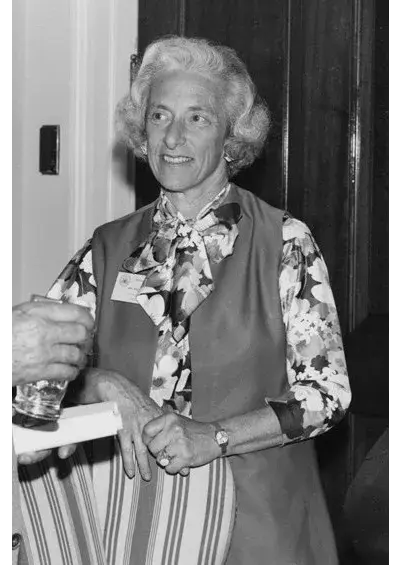
Barbara Wertheim Tuchman was an American historian and author. She won the Pulitzer Prize twice, for The Guns of August (1962), a best-selling history of the prelude to and the first month of World War I, and Stilwell and the American Experience in China (1971), a biography of General Joseph Stilwell.
