Clarence Darrow Quotes
Chloroform unfit children. Show them the same mercy that is shown beasts that are no longer fit to live.
Darrow, Clarence. Interview in The Chicago Tribune, 18 Nov. 1915.

This is the earliest surviving attempt of the Romans to formulate a legal code.

400,000 Germans were forcibly sterilized for “mental illness”, “slow learning”. “poor posture”, and a number of other characteristics. Soon, sterilization would be replaced by murders and extermination. Ironically, Hitler and other Nazis would quote American advocates of eugenics to further justify their practice of forced sterilization. A number of American states actually sentenced “defective” people to forced sterization.

This quote was the beginning of the now discredited Eugenics movement. The essential problems were twofold: One was that someone had to decide which characteristics were desirable and undesirable, and there is wide difference of opinion that there is no way of resolving. Genocide is the result of Eugenics taken to extremes. Second, it the issue of human rights. No person, organization, or government has the right to tell a particular individual what genetic characteristics he/she may have with his/her children. Note that the issue of Population Control for size was also a part of the early Eugenics movement but is a totally separate issue. It is the voluntary verses the compulsory nature of Population control the is the critical ethical element.


The Association commissioned a study to develop:


The “logic” of the Japanese was that by eliminating “troublemakers” (those objecting to the Japanese invasion) the lives of other Chinese were saved. This extended to rape and murder of women, beheading of boys and men—civilians and military—and destruction of infants.
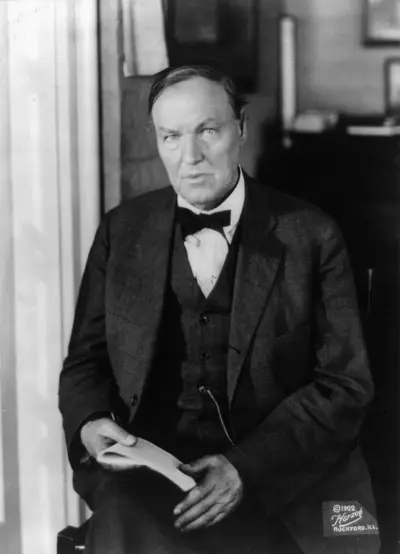
Clarence Seward Darrow was an American lawyer who became famous in the early 20th century for his involvement in the Leopold and Loeb murder trial and the Scopes "Monkey" Trial. He was a leading member of the American Civil Liberties Union, and a prominent advocate for Georgist economic reform.
