JAPAN
Shortly thereafter the first atomic bomb was dropped on Hiroshima. To this day there is historical debate over whether Japan received enough notice to afford them the opportunity to surrender or whether their cultural imperatives would allow surrender under almost any circumstances. This Japanese rejection of the surrender demand, seems so reckless in retrospect. Even after the second atomic bomb drop, most senior officers of Japan did not want to surrender. Even after the Emperor decided on surrender, there was an unsuccessful coup attempt of officers totally opposed to surrender.
The Christian Crusaders and the Muslim extremists through this day are not the only peoples who described atrocities as “Holy war.”
This was the 14th part of the Japanese reply to a previously made American peace proposal. The Japanese policy was to unite all of Asia into a co-prosperity sphere controlled by Japan where Japan would militarily conquer those Asian countries which did not “voluntarily” want to join. The Japanese were in the process of conquering China and the United States and Britain had embargoed oil and other material to Japan trying to pressure them to withdraw their troops from China and cease Japanese conquest by force. Japan believed that it was their right to conquer and control Asia and it was beneficial to the region, and that the U. S. and Britain had no right to curtail the expansion that Japan required to assure raw materials and other necessities. At the very time that these negotiations were on going, the Japanese fleet was sailing for the sneak attack on Pearl Harbor. The attack took place the very day this part of the Japanese reply was received.
A few weeks after the Japanese sneak attack on Pearl Harbor, Japan invaded the Philippines and occupied the country. They thought that because of the original American occupation and some American war crimes in the American Philippines War, the people would welcome Japan, thinking that Japan had freed them from the United States domination. However, by that time, most of the Filipinos had become pro American and despite many posters like this one, the Japanese were hated by almost all of the Filipinos for their atrocities were much worse than the worst of the American army at the turn of the century. The American outrages were committed by a minority of the soldiers and officers while the Japanese atrocities were universal and institutional.
After the Japanese surrender in World War II, the Japanese assumed that the American occupational soldiers would rape Japanese women the way that the Japanese soldiers had done in their occupations. They therefore came up with a plan to have some Japanese women serve as prostitutes in organized brothels so that the Americans' lust would be satisfied.
It was this code, and its implementation in Saipan, Okinawa, and other Japanese held islands taken by the allies that caused Japanese soldiers to fight to the death or commit suicide. The prospect of this code being followed by Japanese soldiers, civilians or both in an invasion of the Japanese mainland, was one of the major arguments in favor of dropping the Atomic Bomb in World War II.
This law was the excuse that was used by the racists of the 1920s to deny Japanese the right of American Citizenship and to inter them on the West Coast in WWII. The concept of Dual Citizenship which was so common in America after WWII was then anathema on the grounds that Americans cannot have dual loyalties. The anti-Japanese American forces claimed that since Japanese are always Japanese citizens even if born in America. Therefore, they are not to be trusted.
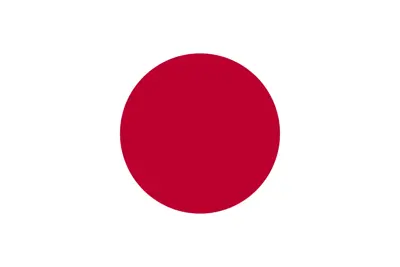
Japan (or Nippon) is an island country in East Asia. Located in the Pacific Ocean, it lies to the east of the Sea of Japan, the East China Sea, China, Korea and Russia, stretching from the Sea of Okhotsk in the north to the East China Sea and Taiwan in the south. The kanji that make up Japan's name mean "sun origin", and it is often called the "Land of the Rising Sun".
