RANDOLPH BOURNE
(Randolph Silliman Bourne)
This is a very instructional political quotation. It shows us that the popular American narrative of the ideal immigrant who assimilated to everything American was false even in 1916. Almost 100 years later, anti-immigration advocates would complain that the modern immigrant was not totally assimilating as immigrants did in the past. Of course they never did in the past totally assimilate. The assimilation has generally been in the areas of desire for freedom and individual opportunity, democracy, rule of law, human dignity and respect for others. However, immigrants have always brought new customs, foods, literature, modes of worship, language, and values from the “old country”. Bourne was one of the first writers with a national audience to question the classic but never real “melting pot” theory of immigration and suggest the “salad” model though he never used the term.
Bourne was one of the first writers with a national audience to question the classic but never real “melting pot” theory of immigration and suggest the “salad” model though he never used the term.
Bourne was one of the first writers with a national audience to question the classic but never real “melting pot” theory of immigration and suggest the “salad” model though he never used the term.
Bourne was one of the first writers with a national audience to question the classic but never real “melting pot” theory of immigration and suggest the “salad” model though he never used the term.
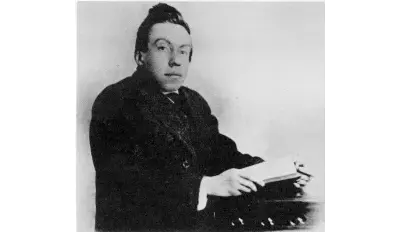
Randolph Silliman Bourne was a progressive writer and intellectual born in Bloomfield, New Jersey, and a graduate of Columbia University. He is considered to be a spokesman for the young radicals living during World War I. His articles appeared in journals including The Seven Arts and The New Republic. Bourne is best known for his essays, especially his unfinished work "The State," discovered after he died. The essay is the source of the well-known phrase "war is the health of the state," by which Bourne lamented governments' success at arrogating authority and resources during conflicts.
