Randolph Bourne Quotes
Diplomacy is a disguised war, in which states seek to gain by barter and intrigue, by the cleverness of arts, the objectives which they would have to gain more clumsily by means of war.
Bourne, Randolph S. "The State." Untimely Papers, edited by James Oppenheim, B. W. Huebsch, 1919, p. 182.


A reversal of Calusewitz's famous dictum--see {361616}


2nd Viscount Melbourne. The “American treaty” was the Webster–Ashburton Treaty to adjust the final borders between Canada and the United States that were still in dispute from the War of 1812. Note that the British Prime Minister was critical of the position that was being taken be some British diplomats. In many American negotiations with Russia and others, there are hard liners who believe that the negotiators want too much to preserve peace and are not sufficiently willing to go to war for the nation’s principles and honor. As this quotation shows, this is not just an American phenomenon, but in almost all nations there are hard liners critical of all international negotiations and fearing that a desire for an agreement will undermine the positions that should be taken. This is an example where the hard liners were on the non American side.

He had given a speech and then was accused by several representatives He then returned to the podium with this denial. Throughout history many political leaders have started wars to distract the public from the poor economy of other domestic failures. Many others would never do so. All the former, claim that they are the latter.


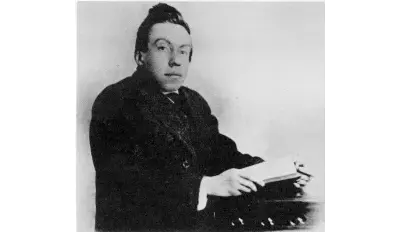
Randolph Silliman Bourne was a progressive writer and intellectual born in Bloomfield, New Jersey, and a graduate of Columbia University. He is considered to be a spokesman for the young radicals living during World War I. His articles appeared in journals including The Seven Arts and The New Republic. Bourne is best known for his essays, especially his unfinished work "The State," discovered after he died. The essay is the source of the well-known phrase "war is the health of the state," by which Bourne lamented governments' success at arrogating authority and resources during conflicts.
