Chester A. Crocker Quotes
Diplomacy, contrary to the current misconception, is not about making nice, exchanging happy talk, and offering concessions. It is the engine that converts raw energy and tangible power into meaningful political results. In other words, diplomacy is all about the intelligent use of power. Diplomacy is not an alternative to coercion and other forms of power; its effectiveness depends on their skillful use.
Chester A. Crocker, U. S. Assistant Secretary of State, “The Art of Peace: Bringing Diplomacy Back to Washington”, Foreign Affairs, July/August 2007
Sourced by: Eigen's Political and Historical Quotations


She was decrying a practice where the Untied States would not negotiate or meet directly with Iran and were communicating diplomatically through other nations diplomats.


The first Jew to run for the Vice Presidency on a major party ticket.


The practice became extensively used and the phrase along with it during the William Howard Taft administration where the media popularized it.

2nd Viscount Melbourne. The “American treaty” was the Webster–Ashburton Treaty to adjust the final borders between Canada and the United States that were still in dispute from the War of 1812. Note that the British Prime Minister was critical of the position that was being taken be some British diplomats. In many American negotiations with Russia and others, there are hard liners who believe that the negotiators want too much to preserve peace and are not sufficiently willing to go to war for the nation’s principles and honor. As this quotation shows, this is not just an American phenomenon, but in almost all nations there are hard liners critical of all international negotiations and fearing that a desire for an agreement will undermine the positions that should be taken. This is an example where the hard liners were on the non American side.


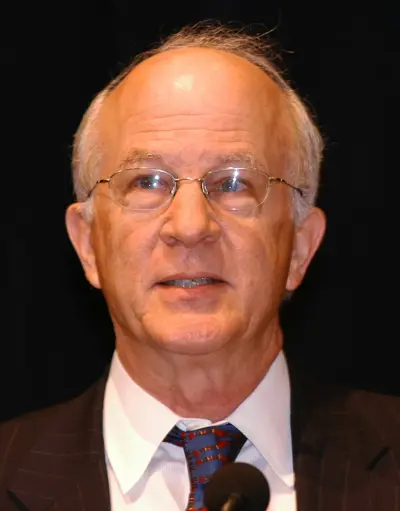
Chester Arthur Crocker is an American diplomat and scholar who served as Assistant Secretary of State for African Affairs from June 9, 1981, to April 21, 1989, in the Reagan administration. Crocker, architect of the U.S. policy of "constructive engagement" towards Southern Africa including apartheid-era South Africa, is credited with setting the terms of Namibian independence.
