Henry A. Kissinger Quotes
Diplomacy [is] ... the art of restraining power.
Henry A. Kissinger, U.S. Secretary of State (Republican), U.S. National Security Advisor, 1973
Sourced by: Eigen's Political and Historical Quotations


A reversal of Calusewitz's famous dictum--see {361616}


When there is a serious problem with another country and it appears that military force may have to be used, he and most sophisticated policy makers argue that we should always try diplomacy first. If that does not work, then the military option is still open. If it does work, war or other military action is always available as an option. When politicians do not want to try diplomacy, it is usually that they have an ulterior motive for war and/or military force. Some urge caution with this principle in all cases as sometimes it gives the enemy time to regroup and rearm and he gets stronger by stringing out the negotiations with no intention of a diplomatic solution. In some other cases, as Iran in the second decade of the 21st century when they were suspected of developing a nuclear weapon. The Israeli right wing and some American conservatives wanted no delay in use of military force as that might allow the Iranians to complete an operational message. President Obama and most Americans favored strong economic sanctions with diplomacy first.

The Russians were breaking diplomatic relations with Israel.


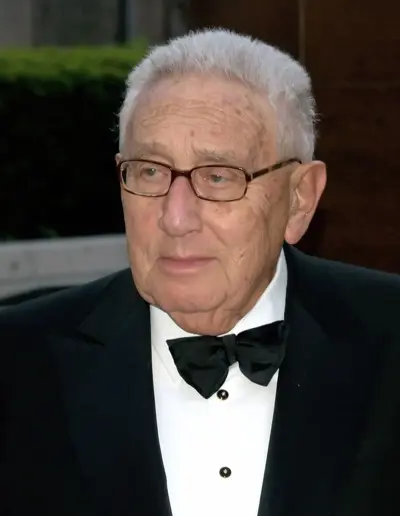
Henry Alfred Kissinger KCMG is an American politician, diplomat, and geopolitical consultant who served as United States Secretary of State and National Security Advisor under the presidential administrations of Richard Nixon and Gerald Ford. A Jewish refugee who fled Nazi Germany with his family in 1938, he became National Security Advisor in 1969 and U.S. Secretary of State in 1973. For his actions negotiating a ceasefire in Vietnam, Kissinger received the 1973 Nobel Peace Prize under controversial circumstances, with two members of the committee resigning in protest.
