Kathryn Stockett Quotes
When Demetrie got sick, we knew it was our responsibility to take care of her and pay her medical bills. And we embraced that. But the tricky part is, like so many families in the South, we also expected her to use a separate bathroom, to use separate utensils.
Stockett, Kathryn. Interview by Motoko Rich. The New York Times, 3 Nov. 2009.


Historically, until recently there has been a migration from the South to other parts of the country. After legal segregation ended, the out migration slowed and by the end of the 20th century, people—including intellectuals began moving to the South. Generally, the vestiges of the anti intellectualism began to fade, but even into the 21st century the College Board Test Scores and other educational measures were generally lower in the South than in the rest of the country. Ironically, whereas the Southern insistence on segregated schools was to prevent the intellectual erosion that racists thought would come with integration, the educational achievement of the schools and population of the less segregated school areas was considerably better. With legal segregation, there were very few high quality universities in the South and no “World Class” schools. However, along with desegregation has been the intellectual and academic improvement of the Southern Schools and the South began to have, for the first time in America, some educational institutions that were on a par with the rest of the country. The South paid a heavy price for segregation and insularity.


Interestingly, before 1705, there was no legislative prohibition against Indians and Free Negroes being full citizens including holding public office and voting. This act prohibited them from holding public office, but did not prohibit them from Voting provided they met the general voting requirement of being a landholder. However, 18 years later, voting by these minorities was no longer allowed. See Quotation 643588.


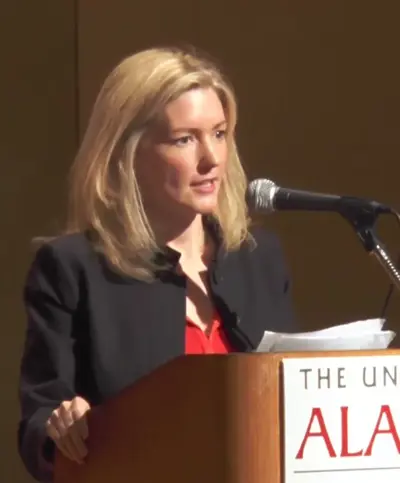
Kathryn Stockett is an American novelist. She is known for her 2009 debut novel, The Help, which is about African-American maids working in white households in Jackson, Mississippi, during the 1960s.
