VIRGINIA
Plantng tobacco was a much more lucrative endeavour than fixing guns so many gunsmiths abandned that trade for tobacco farming.
Surprisingly to most of us, Indians and Blacks could vote in Virginia before 1723. They could even hold public office until 1705 when Virginia passed a law banning that. See Quotation 643587. 18 years later the Virginia legislature also outlawed these minorities from voting as this quotation demonstrates.
The spelling was the original the in legislation passed by the Virginia Assembly Gunsmiths were ery few at the time. The South Carolina Province had only as single gunsmith and he was not very skilled. Planting tobacco was a much more lucrative endeavour, so many of the few gunsmiths abandned that trade for tobacco farming.
Planting tobacco was a much more lucrative endeavour, so many of the few gunsmiths abandned that trade for tobacco farming.
Interestingly, before 1705, there was no legislative prohibition against Indians and Free Negroes being full citizens including holding public office and voting. This act prohibited them from holding public office, but did not prohibit them from Voting provided they met the general voting requirement of being a landholder. However, 18 years later, voting by these minorities was no longer allowed. See Quotation 643588.
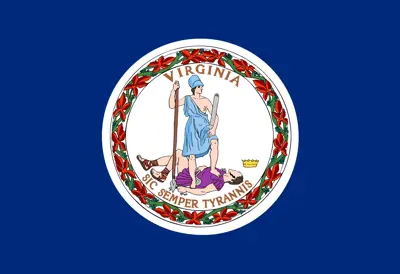
Virginia (/vərˈdʒɪniə/ (listen)), officially the Commonwealth of Virginia, is a state in the Mid-Atlantic and Southeastern regions of the United States, between the Atlantic Coast and the Appalachian Mountains. The geography and climate of the Commonwealth are shaped by the Blue Ridge Mountains and the Chesapeake Bay, which provide habitat for much of its flora and fauna. The capital of the Commonwealth is Richmond; Virginia Beach is the most-populous city, and Fairfax County is the most-populous political subdivision. The Commonwealth's estimated population as of 2019 is over 8.54 million, with 36% of them living in the Baltimore–Washington metropolitan area.
