Timothy Thomas Fortune Quotes
The colored man is in the South to stay there. He will not leave it voluntarily and he cannot be driven out. He had no voice in being carried into the South, but he will have a very loud voice in any attempt to put him out.
Fortune, Timothy Thomas. Black and White: Land, Labor, and Politics in the South. Fords, Howard, & Hulbert, 1884.


Historically, until recently there has been a migration from the South to other parts of the country. After legal segregation ended, the out migration slowed and by the end of the 20th century, people—including intellectuals began moving to the South. Generally, the vestiges of the anti intellectualism began to fade, but even into the 21st century the College Board Test Scores and other educational measures were generally lower in the South than in the rest of the country. Ironically, whereas the Southern insistence on segregated schools was to prevent the intellectual erosion that racists thought would come with integration, the educational achievement of the schools and population of the less segregated school areas was considerably better. With legal segregation, there were very few high quality universities in the South and no “World Class” schools. However, along with desegregation has been the intellectual and academic improvement of the Southern Schools and the South began to have, for the first time in America, some educational institutions that were on a par with the rest of the country. The South paid a heavy price for segregation and insularity.

Blacks were fighting and dying in WWII. They were equal when they were under fire, but otherwise not. The war was against fascist protagonists whose creed was inequality while the allies were upholding freedom and equality. But making that aspiration a reality was difficult.


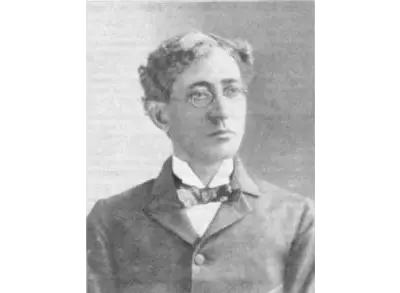
Timothy Thomas Fortune was an American orator, civil rights leader, journalist, writer, editor and publisher. He was the highly influential editor of the nation's leading black newspaper The New York Age and was the leading economist in the black community. He was a long-time adviser to Booker T. Washington and was the editor of Washington's first autobiography, The Story of My Life and Work. Fortune's philosophy of militant agitation on behalf of the rights of black people laid one of the foundations of the Civil Rights Movement.
