Lawrence Pearsall Jacks Quotes
The sovereign wrongs of one nation are often involved in the sovereign rights of another. What, then, is the use of discussing the redress of these wrongs if every government is irrevocably determined to stand firm by the sovereign rights of the nation behind it?
L. P. Jacks
Lawrence Pearsall Jacks, 1860–1955, English Philosopher & Unitarian Minister, “An International Ethic”, Foreign Affairs, December 1924
Sourced by: Eigen's Political and Historical Quotations


Lodge was particularly concerned that under the proposed treaty the United States would be obligated to support the League of Nations military efforts regardless of American public opinion or Congressional action.


Hoover and most Republicans were generally opposed to sanctions and an instrument of foreign policy. 25 years after his presidency, the Republican Party started embracing sanctions as a tool of foreign policy and by the end of the 20th century, Republicans were sanction hawks. This quotation illustrates how American political parties and their philosophies change over time.


When there is a serious problem with another country and it appears that military force may have to be used, he and most sophisticated policy makers argue that we should always try diplomacy first. If that does not work, then the military option is still open. If it does work, war or other military action is always available as an option. When politicians do not want to try diplomacy, it is usually that they have an ulterior motive for war and/or military force. Some urge caution with this principle in all cases as sometimes it gives the enemy time to regroup and rearm and he gets stronger by stringing out the negotiations with no intention of a diplomatic solution. In some other cases, as Iran in the second decade of the 21st century when they were suspected of developing a nuclear weapon. The Israeli right wing and some American conservatives wanted no delay in use of military force as that might allow the Iranians to complete an operational message. President Obama and most Americans favored strong economic sanctions with diplomacy first.


The great European powers were attending an International Congress—Summit Meeting of the heads of government and their diplomats to deal with the crisis of Tsarist Russian military expansionism. None of the other European powers of the time wanted or could afford war so Russia could only be thwarted by Great Britain. There were many in England who thought that the British should not even attend and should send troops immediately. The Queen and the Royal Family were among those. At the Congress Disraeli, who had much personal affection for Queen Victoria, wanted to reassure her. 1st Earl of Beaconsfield. If the Congress did not succeed the mainland of Europe would have been at war. Disraeli obtained everything England wanted. See Russian Ambassador Prince Gortchakoff’s observation.


The Russians were breaking diplomatic relations with Israel.
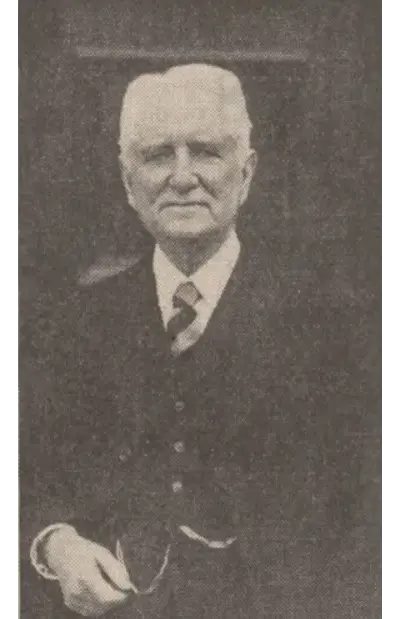
Lawrence Pearsall Jacks, abbreviated L. P. Jacks, was an English educator, philosopher, and Unitarian minister who rose to prominence in the period from World War I to World War II.
