Lincoln Steffens Quotes
The Panic of 1893 was a dismal time of radiating destruction …. It was good for the bears …. the wild joy of men who shorted stocks and rejoiced in the ruin…
Lincoln Steffens, 1866-1936, Editor and Journalist, Observation of the behavior of some of the capitalists during the panic and market crash or 1893, Autobiography
Sourced by: Eigen's Political and Historical Quotations


Essentially Mellon told the President to let the entire economy crash. With huge numbers of people out of work, labor would be more humble and not only settle for lower wages, but will work harder, and without "excess" income beyond their basic needs, they would not drink and engage in other immoral activities. President Hoover, a wealthy man himself, did not go along with Mellon's idea of making the situation worse, but his conservative philosophy of government would not allow the Government to "interfere" with the private economy or give any direct assistance to the citizens.


Arguably, for most of American History, most of the “smartest” people contributed to manufacturing, construction, research and development—activities that produce things that are wanted and/or needed. However, Wall Street began attracting and paying for some of the smartest people in the society, who when they engaged in finance—not only contributed less to manufacturing, but began to create highly complex financial instruments and procedures that few people could understand and with which regulators have difficulty understanding. These and the other schemes of financing have been major factors in the economic problems that have beset the economy including the meltdown of 2008 and the subsequent Great Rescission.


Born thought that her agency was responsible for regulating the new esoteric financial products—derivatives including credit default swaps—for otherwise there would be no regulation at all of financial products that could dwarf the stock and bond market. Summers persuaded her to back off. When the Meltdown of 2008 hit, the huge derivative exposure of the large banks and some insurance companies was so great that it was one of the major causes for the meltdown of the entire banking system. Summers, normally a great economist not only called this one wrong, but later, along with most other government and private economists ignored a very explicit warning—See {637168}, {637986}, and {620038}.


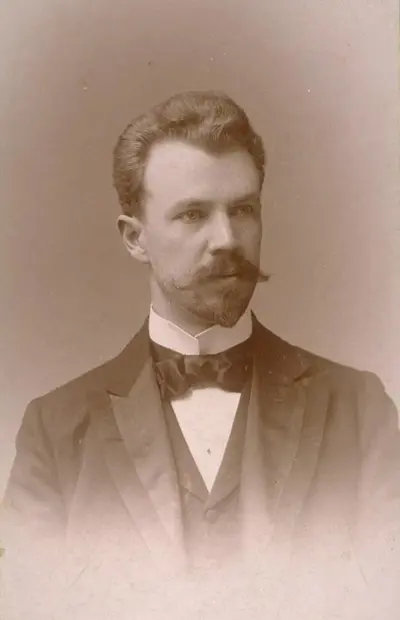
Lincoln Austin Steffens was an American investigative journalist and one of the leading muckrakers of the Progressive Era in the early 20th century. He launched a series of articles in McClure's, called "Tweed Days in St. Louis", that would later be published together in a book titled The Shame of the Cities. He is remembered for investigating corruption in municipal government in American cities and for his leftist values.
