Benjamin N. Cardozo Quotes
The law has outgrown its primitive stage of formalism when the precise word was the sovereign talisman, and every slip was fatal. It takes a broader view to-day. A promise may be lacking, and yet the whole writing may be "instinct with an obligation," imperfectly expressed. If that is so, there is a contract.
Benjamin N. Cardozo, 1870-1938, Supreme Court Justice, Wood v. Lucy, Lady Duff-Gordon, 1917
Sourced by: Eigen's Political and Historical Quotations


This is the earliest surviving attempt of the Romans to formulate a legal code.


Despite Lincoln’s instructions, his agents did cut a few deals without which Lincoln would likely not been nominated

Manava Dharma Shastra. This is the law to this day in almost every developed country. This text is a part of the Hindu Holy Texts. Hindus believe that Manu was a prophet whose text is revealed or inspired.


Carter, together with the American and Israeli negotiating staffs came up with a creative idea whereby the Israeli Knesset voted to dismantle the settlements so that Begin would not renege on his promise. The breakthrough enabled the Camp David Accord and the Peace Treaty between Israel and Egypt. Carter later won the Nobel Peace Prize.


At the time, in many states married women could not control their own inheritance, could not sign a contract, owned no part of a family business that a women might have founded and worked in her entire life, could not be an executor of a will—even if it were her husband’s.

This is one of the earliest examples of attempting to reduce crime by altering community norms.


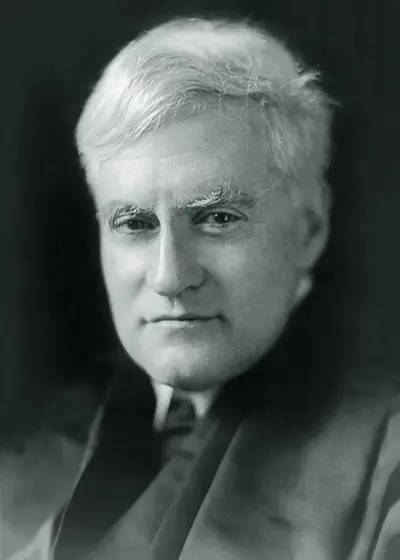
Benjamin Nathan Cardozo was an American jurist who served on the New York Court of Appeals and later as an Associate Justice of the Supreme Court. Cardozo is remembered for his significant influence on the development of American common law in the 20th century, in addition to his philosophy and vivid prose style. Cardozo served on the Supreme Court six years, from 1932 until his death in 1938. Many of his landmark decisions were delivered during his eighteen-year tenure on the New York Court of Appeals, the highest court of that state.
