Charles Hodge Quotes
The functions of these elders, therefore, determine the power of the people; for a representative is one chosen by others to do in their name what they are entitled to do in their own persons; or rather to exercise the powers which radically inhere in those for whom they act.
Hodge, Charles. What is Presbyterianism? Presbyterian Board of Publication, 1855, p. 38.


the power a ruler or a ruling class


In most legislatures, the leader of the majority party can usually prevent any proposed legislation from coming to a vote. Many will use that individual power to block any legislation that they do not support. Others like Skelos believes that democracy requires that the entire legislature have the opportunity to vote on an issue and that a single individual or even a majority of the majority should not be able to block a vote as this would disenfranchise the legislators. In this case, the bill was to legalize Gay Marriage—a very controversial proposal. When the vote was taken, 4 Republicans and all but one Democrat voted in favor. The other Republicans and the one Democrat voted against. The bill passed and New York became the first large state to legalize Gay Marriage. Skelos, who opposed the bill, was castigated by conservatives of his own party for not using his power to prevent the vote from ever happening, and putting principle above party.

There was a belief among some anti-Federalists that the people lost their power by electing representatives and not having a direct democracy as in many New England communities. Ames gave the counter argument.


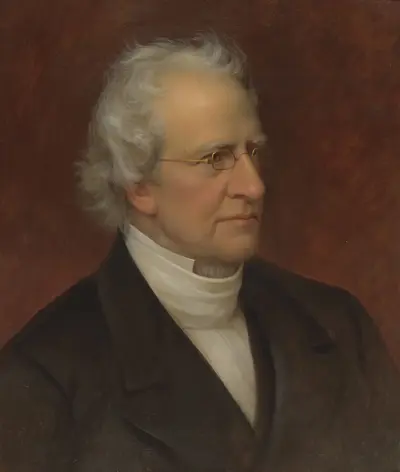
Charles Hodge was a Presbyterian theologian and principal of Princeton Theological Seminary between 1851 and 1878.
