Grace Abbott Quotes
The first and continuing argument for the curtailment of working hours and the raising of the minimum age was that education was necessary in a democracy and working children could not attend school.
Abbott, Grace. The Child and the State: Legal Status in the Family, Apprenticeship and Child Labor. Vol. 1, University of Chicago Press, 1938, p. 259.


Labor reform was a burning issue in most of the industrialized countries of the world. The two areas that legislation was under consideration all over were working hours and child labor. There were no overtime provisions, employers were free to require workers to work 7 days for as many hours as they wanted. There were no limitations on the use of child labor. This is one of the classic conservative oppositions to these reforms. Ironically to us today, those against reform argued that it was disrespectful of the working man to take away his freedom to work whatever hours he so chose, and it was disrespectful of the workers role as a head of family to decide for him when and under what conditions his children could work. Germany at the time was a very dramatic example of the struggle as the Chancellor was opposed to all labor reform and Kaiser Wilhelm II felt that reforms were needed. The two most powerful Germans were split on this issue as were people in most countries.


The feminists were split at the time over the issue of special protective labor laws for women which were different and more protective than those for men. The women received the added protection but the logic behind the lawmaking was that they were somehow less than the male workers and needed more protection. Between the 1920s and the 1960s, such labor laws for women were common, but they have mostly disappeared. See Bell-Richards {618512} for a succinct statement of the issue at the time.


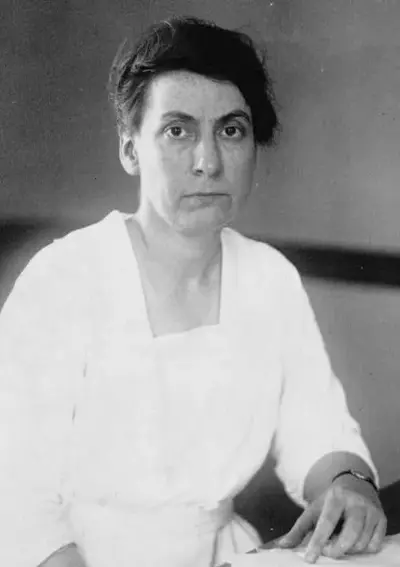
Grace Abbott was an American social worker who specifically worked in improving the rights of immigrants and advancing child welfare, especially the regulation of child labor. Her elder sister, Edith Abbott, who was a social worker, educator and researcher, had professional interests that often complemented those of Grace's.
