James L. Petigru Quotes
South Carolina is too small for a republic and too large for an insane asylum.

The same expression was used 124 years earlier referring to South Carolina. See James Louis Petigru.


Although opposed to monarchy himself, Langdon argued that a people had a right to select monarchical government if they chose. See {634001} for Rev. Dan Foster’s similar argument at in that period.

While this has been one of the great American principles of political philosophy, in reality we have on many occasions interfered when a people chose an enemy of the United States or made a choice of a government which would seize power and not allow any further free choices. However, from the time JFK made this statement to today, our foreign policy record has become much better on implementing this principle.

Not only did the people in Afghanistan have very little experience with central government, but they had little history of government of any sort. There were loose tribes somewhat unified by culture, but there was little or no tribal government. The same with clans. Each Afghanistan male was his own ruler over his wives and children in a family centric society. While virtually all were Muslim, there was no hierarchy or structure of the clergy in that society.

The absurdity was that Adolf Hitler had more unilateral power and authority than and king did in the 20th century.


This was the first contact between the colonists and the French government. The French agent was very non committal and the parties were just feeling each other out. Franklin made it perfectly clear that the colonists would not trade the English King for a French one and become part of the French empire.

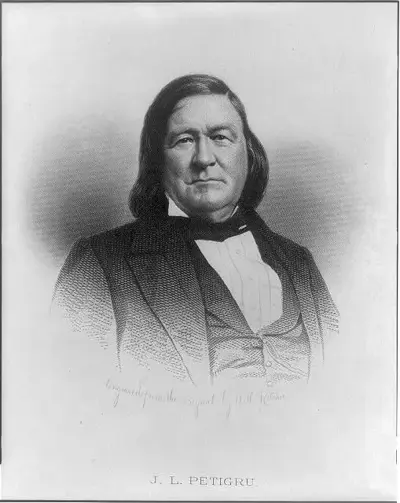
James Louis Petigru was an American lawyer, politician, and jurist in South Carolina. He is best known for his service as the Attorney General of South Carolina, his juridical work that played a key role in the recodification of the state's law code. He was also known for opposing nullification and, in 1860, state secession.
